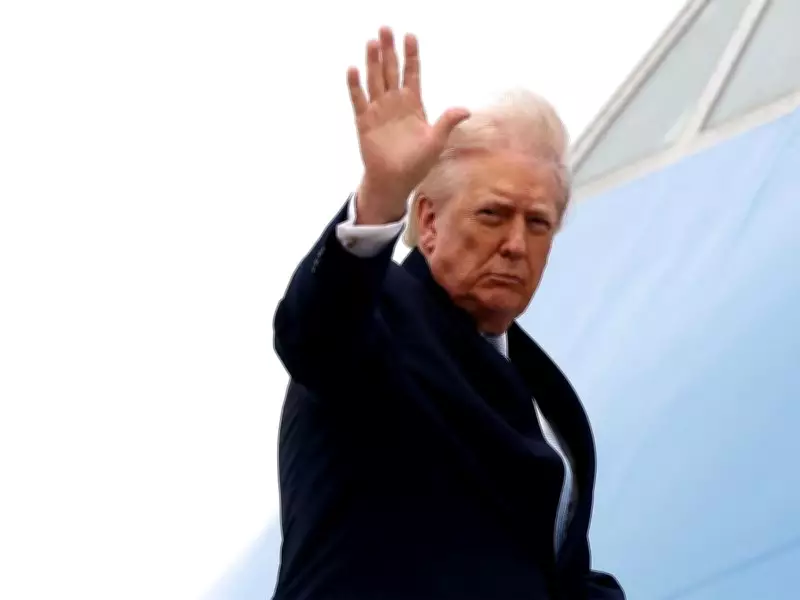
Trump's Stark Prediction: Cuba on the Brink of Collapse
In a recent and provocative declaration, former United States President Donald Trump has asserted that Cuba is "finished" and predicted that the communist regime will fail in a short period of time. This statement marks a significant escalation in his ongoing criticism of the Cuban government, reflecting deep-seated tensions in US-Cuba relations.
Context of the Remarks
The comments were made during a public address where Trump reiterated his hardline stance against communist ideologies, particularly targeting Cuba's leadership. He emphasized that the country's economic struggles and political repression have created an unsustainable situation, leading to what he described as an inevitable downfall.
Trump argued that decades of communist rule have left Cuba in a state of disrepair, with widespread poverty and lack of freedoms pushing it toward collapse. He pointed to recent protests and internal dissent as evidence of growing unrest among the Cuban populace.

Implications for US-Cuba Relations
This prediction comes amid a backdrop of strained diplomatic ties between the United States and Cuba. During his presidency, Trump reversed many of the Obama-era policies that sought to normalize relations, reinstating stricter sanctions and travel restrictions.
Analysts suggest that Trump's latest remarks could further complicate efforts to engage with Cuba, potentially influencing future US foreign policy decisions. The statement has sparked debate among policymakers about the effectiveness of such confrontational approaches versus diplomatic engagement.
Reactions and Broader Impact
Responses to Trump's prediction have been mixed. Supporters view it as a bold affirmation of anti-communist principles, while critics argue it oversimplifies Cuba's complex socio-political landscape. The Cuban government has not issued an official response, but state media often dismisses such comments as interference in internal affairs.
Globally, this development highlights ongoing ideological clashes between capitalist and communist systems, with Cuba serving as a focal point in discussions about regime stability and human rights. Observers note that while Cuba faces significant challenges, its resilience over decades suggests a more nuanced reality than Trump's prediction implies.
In summary, Trump's assertion that Cuba is "finished" adds a new layer of rhetoric to the long-standing US-Cuba conflict, raising questions about the future of bilateral relations and the island nation's political trajectory.