

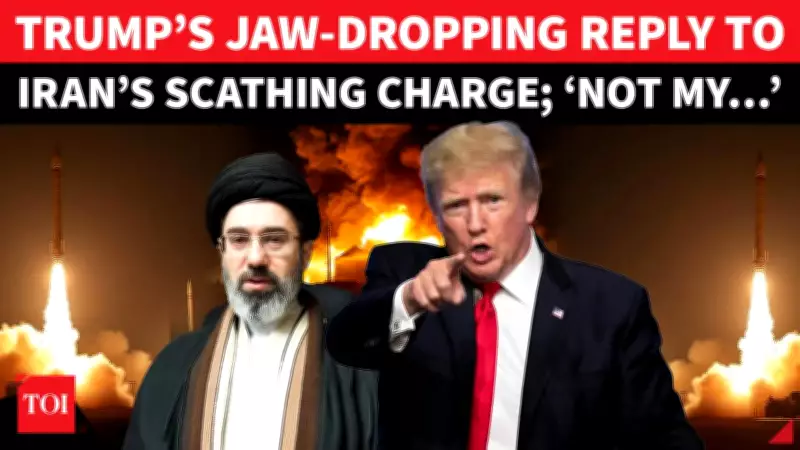
Trump Dismisses Iran's Allegations Amid Escalating Military Tensions
President Donald Trump is confronting severe international criticism following his explicit threats to target civilian infrastructure in Iran, including power plants and bridges. This comes as Tehran faces a deadline to reopen the Strait of Hormuz, a vital corridor for global oil shipments. Legal experts and international observers have raised alarms, stating that such actions could breach international humanitarian law and potentially constitute war crimes.
Global Backlash and Legal Concerns
The threats have sparked outrage worldwide, with critics arguing that attacking civilian facilities without direct military necessity is prohibited under the United Nations Charter and Geneva Conventions. This situation has intensified amid reports of massive attacks and military engagements between the U.S. and Iran, further complicating diplomatic relations.
Recent Military Incidents and Allegations
In related developments, Iran has made bombshell charges against the U.S. military, which Trump coldly brushed off with his statement, 'None of my...'. Recent incidents include:

- Iran's missile strikes on targets in Israel, such as Tel Aviv, resulting in casualties and damage.
- Shooting incidents near the White House, with speculation linking them to Iranian involvement.
- Video footage showing Mojtaba Khamenei in an Iranian war room, focusing on Israeli nuclear sites.
- Recovery of a missing U.S. F-15E after clashes between Iranian forces and U.S. commandos.
- Iran shooting down an Israeli F-16 fighter aircraft and reports of hitting American jets and helicopters.
- Claims of Iran destroying U.S. aircraft, including stealth F-35s and Black Hawk helicopters.
- Additional attacks on U.S. military assets, such as an A-10 Warthog attack jet.
- Cyber and physical assaults, including Iran's forces targeting a Dubai data center after an Amazon strike.
These events highlight the escalating conflict, with Trump's dismissal of Iran's charges adding fuel to the fire. The situation remains volatile, with ongoing military actions and diplomatic tensions threatening regional stability.






