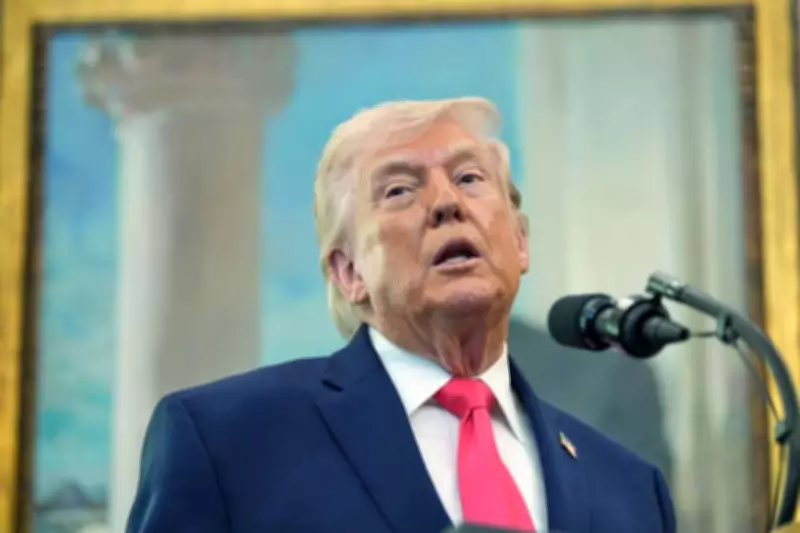
Trump's Approval Rating Hits New Low Amid Economic and Foreign Policy Pressures
Former President Donald Trump's approval rating has dropped significantly to 36%, according to recent polling data. This decline comes as the United States faces mounting challenges, including rising consumer prices and heightened tensions with Iran.
Economic Factors Driving the Decline
The primary factor behind Trump's falling approval numbers is the persistent issue of inflation. Rising prices for essential goods such as food, fuel, and housing have placed a heavy burden on American households. Many voters are expressing frustration over the economic strain, which has directly impacted their daily lives and financial stability.
Economic analysts note that inflation has been a key concern for the public, with recent data showing a steady increase in the cost of living. This has led to widespread dissatisfaction, particularly among middle-class and low-income families who are most affected by price hikes.

Foreign Policy Challenges: The Iran Conflict
In addition to economic woes, escalating tensions with Iran have contributed to the decline in Trump's approval rating. Recent developments in the Middle East, including military confrontations and diplomatic standoffs, have raised concerns about national security and foreign policy stability.
The conflict with Iran has sparked debates over the United States' role in the region and the effectiveness of current strategies. Critics argue that the situation has not been adequately managed, leading to increased uncertainty and potential risks for American interests abroad.
Public Opinion and Political Implications
Polling data indicates that Trump's approval rating has fallen across various demographic groups, including key voter segments that previously supported him. The drop to 36% reflects a broader trend of declining confidence in his leadership amid these ongoing crises.
Political observers suggest that this decline could have significant implications for future elections and policy debates. As public sentiment shifts, there may be increased pressure on political leaders to address the underlying issues driving voter dissatisfaction.
Looking Ahead: Potential Repercussions
The combination of economic pressures and foreign policy challenges presents a complex scenario for Trump and his political allies. Addressing inflation and managing the Iran conflict will be critical in any efforts to rebuild public trust and improve approval ratings.
Experts emphasize that the current situation underscores the importance of effective governance and responsive leadership in times of crisis. How these issues are handled in the coming months could shape the political landscape and influence voter behavior in upcoming electoral cycles.