Texas Implements Sweeping H-1B Hiring Freeze at State Institutions
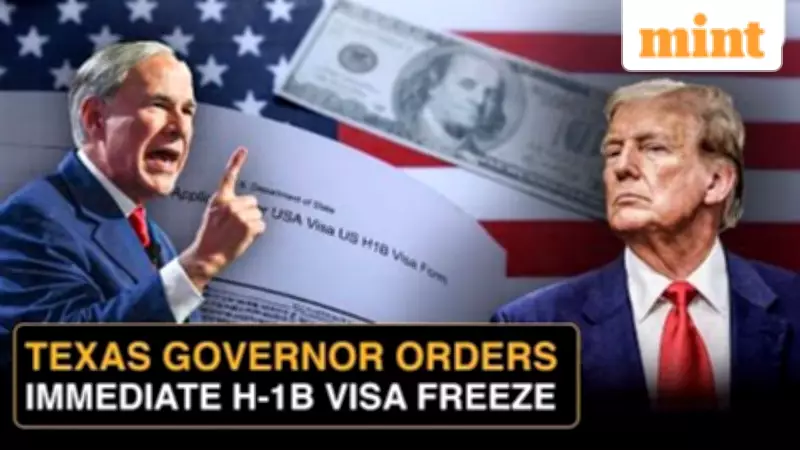
In a significant policy shift affecting international talent, Texas Governor Greg Abbott has ordered an immediate suspension of new H-1B visa hiring across all state-funded colleges and agencies. The directive, announced on January 29, 2026, mandates that public universities and government entities must cease filing new H-1B petitions unless specifically approved, with the freeze extending through 2027.
"Taxpayer-Funded Jobs for Texans First": Governor's Rationale
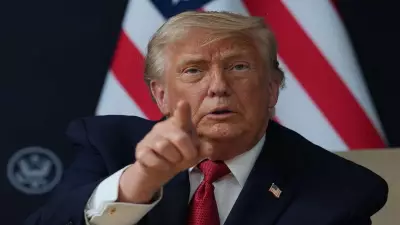
Governor Abbott justified the decision by emphasizing a "taxpayer-funded jobs for Texans first" approach. This move aligns Texas with broader federal immigration crackdowns under former President Donald Trump's administration, which included measures like a proposed $100,000 fee for certain H-1B applications and increased scrutiny of visa petitions.
Immediate Impact on Major Texas Institutions
The freeze directly affects thousands of H-1B workers employed at prominent Texas institutions, including:

- UT Southwestern Medical Center (employing 230+ H-1B workers)
- Texas A&M University System
- MD Anderson Cancer Center
These organizations have historically relied on H-1B visa holders to fill specialized positions in research, healthcare, and academia.
Critics Warn of Staffing Crises Across Multiple Sectors
Opposition voices, particularly from Democratic lawmakers, have raised alarms about potential staffing shortages. They argue the freeze will make it "harder to staff essential roles" in critical areas such as:
- Classroom instruction at public universities
- Medical research at healthcare institutions
- Hospital operations requiring specialized medical professionals
The concern stems from the difficulty in finding qualified American workers for highly specialized positions that H-1B holders typically occupy.
Broader Implications for Indian Tech Professionals
This development carries particular significance for Indian professionals, as H-1B visas fuel approximately 60% of technology jobs nationwide. Major tech companies that are top H-1B sponsors include:
- Amazon
- Microsoft
While the Texas order specifically targets state-funded entities, it reflects growing anti-immigration sentiment that could influence private sector hiring practices.
Potential Domino Effect: Florida Considering Similar Measures
The Texas decision may inspire similar actions in other states, with Florida reportedly "eyeing similar pause" on H-1B hiring at public institutions. This suggests a potential trend of state-level immigration restrictions that could further complicate the landscape for international professionals seeking employment in the United States.
The freeze represents a substantial obstacle for Indian and other international aspirants planning to work at Texas public institutions, while simultaneously testing the operational capacity of universities and agencies that depend on specialized global talent.