Robert Spencer Warns U.S. House Members of 'Islamic Conquest' Through Immigration
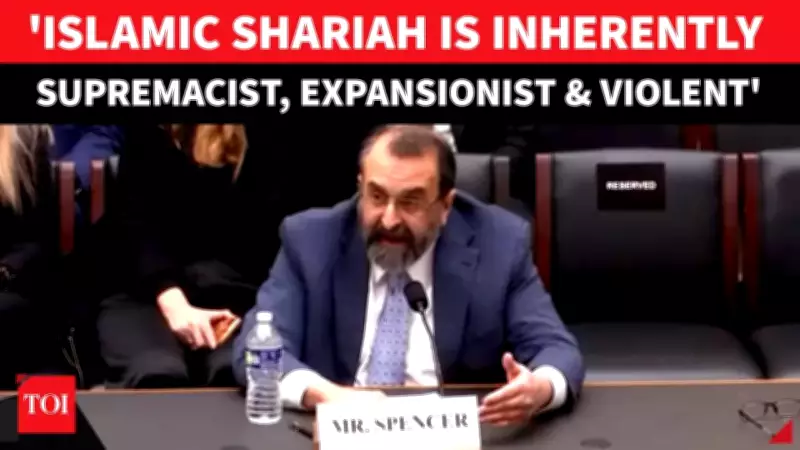
In a contentious congressional hearing, Robert Spencer, the founder of Jihad Watch, delivered a stark warning to U.S. lawmakers, asserting that immigration is being utilized as a "Shariah tool" to facilitate what he termed an "Islamic conquest" of Western nations. Spencer, an author renowned for his critical stance on political Islam, presented his arguments during a session titled "Sharia-Free America: Why Political Islam & Sharia Law Are Incompatible with the U.S. Constitution." His testimony has ignited a fierce debate, highlighting deep divisions over immigration policies, national security, and religious freedoms in the United States.
Testimony on Immigration as a Strategic Threat
Spencer elaborated that current immigration frameworks could lead to profound cultural and legal transformations in America, potentially undermining constitutional principles. He contended that the influx of immigrants from predominantly Islamic regions might serve as a mechanism for advancing Shariah law, which he views as incompatible with democratic values. This perspective frames immigration not merely as a demographic or economic issue but as a strategic threat to national identity and governance.
Reactions and Broader Implications
The remarks provoked strong reactions across the political spectrum. Supporters of Spencer applauded his efforts to spotlight security concerns, arguing that his warnings are necessary for safeguarding American sovereignty and preventing extremist influences. Conversely, critics accused him of promoting anti-Muslim rhetoric, which they claim fosters discrimination and misrepresents the diverse Muslim community. This clash underscores the ongoing national discourse, where immigration policies are increasingly scrutinized through lenses of religious freedom and homeland security.

Context of the Hearing and Future Debates
The hearing, focused on the perceived conflicts between Shariah law and the U.S. Constitution, reflects broader anxieties about globalization and cultural integration. Spencer's testimony adds fuel to existing debates, prompting lawmakers to reconsider immigration reforms and their long-term implications. As the United States grapples with these complex issues, the dialogue surrounding immigration continues to evolve, balancing security imperatives with commitments to inclusivity and religious tolerance.