Sick Infant and Family Deported by ICE from Texas Detention Facility
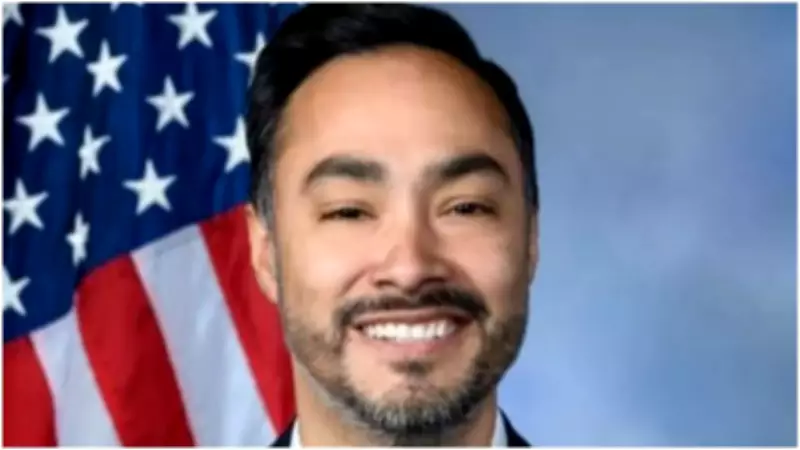
A two-month-old baby boy, Juan Nicolas, who was being held in U.S. Immigration and Customs Enforcement (ICE) custody at the Dilley detention center in South Texas, has been deported back to Mexico along with his entire family. The deportation occurred despite the infant developing bronchitis and becoming unresponsive during his detention, according to Congressman Joaquin Castro, who confirmed the details on social media.
Medical Emergency and Swift Deportation
Congressman Castro, after speaking with the family's attorney, revealed that Juan Nicolas was discharged from a hospital late at night following treatment for bronchitis. Shortly after this medical episode, ICE proceeded to deport the baby, his 16-month-old sister, and both parents back to Mexico. The family had spent approximately three weeks at the Dilley ICE Detention Center before their removal.
"To unnecessarily deport a sick baby and his entire family is heinous," Castro stated emphatically on X. "My staff and I are in contact with Juan's family. We are laser-focused on tracking them down, holding ICE accountable for this monstrous action, demanding specific details on their whereabouts and wellbeing, and ensuring their safety."

Disturbingly, the family was deported with only the money they had in their commissary account—a mere $190 total—raising serious questions about their ability to secure medical care and basic necessities upon return to Mexico.
Contrasting Narratives from Officials
In response to inquiries about conditions at the Dilley facility, Senator John Cornyn, speaking at a rally in San Antonio, offered a different perspective. "None of these men and women behind me that work in the Border Patrol want to see anybody treated less than humanely," Cornyn asserted. "But I think most of what you're hearing are what I would call horror stories that are largely made up by the mainstream media, and certainly I will continue to try to do my job, and that is to provide appropriate oversight to Department of Homeland Security facilities."
Meanwhile, a Department of Homeland Security (DHS) spokesperson provided an official statement on Tuesday night regarding the infant's medical situation. According to the spokesperson, the boy was taken to a local hospital in Pearsall, Texas, for treatment of a respiratory infection but was not admitted. Hospital staff determined he was stable and remained alert and responsive during evaluation.
The DHS statement detailed: "On February 16, staff transported a child to a local hospital in Pearsall, Texas, for a precautionary evaluation after he showed symptoms of a respiratory infection. The child's mother accompanied him and was able to monitor his condition throughout the hospital visit. Hospital staff found the child's condition stable, and he remained alert and responsive during the evaluation. The hospital did not admit him, and he has since returned to Dilley where medical personnel continue to monitor his health. He is in stable condition alert and responsive and continues to receive proper care."
Ongoing Monitoring and Another Child's Story
Officials continue to monitor conditions at the Dilley detention center, which recently reported a measles case. CoreCivic, the private company that manages the facility, maintains that the clinic is adequately staffed and emergency care is available 24/7.
In a related development, Congressman Castro provided an update about a seven-year-old Venezuelan girl, Maria Isabella, who was recently released from the same Dilley facility. She and her mother, both asylum seekers, are now living in the Austin area. In a heartening contrast to Juan Nicolas's story, Maria Isabella was able to celebrate her eighth birthday at home with her family, highlighting the different outcomes for children in immigration detention.

The deportation of a medically vulnerable infant has ignited fresh debates about immigration enforcement practices, particularly concerning families and children in detention. As Congressman Castro and his staff work to locate the deported family and ensure their wellbeing, this case underscores the complex humanitarian challenges at the U.S.-Mexico border and raises urgent questions about the treatment of sick children in immigration custody.