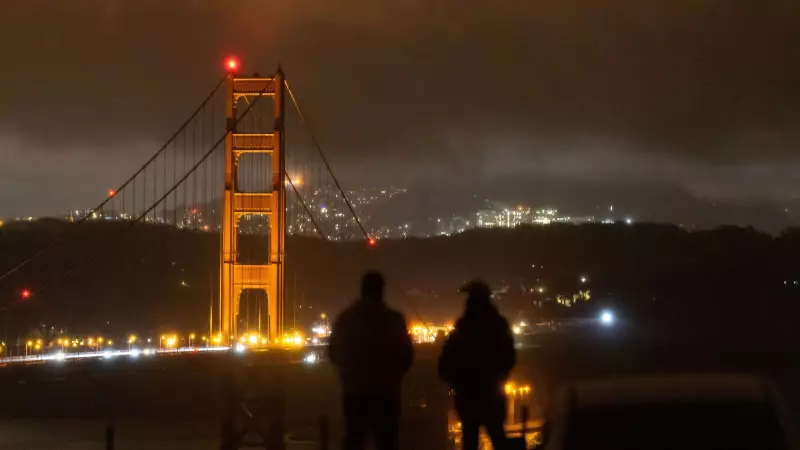
A significant power outage struck San Francisco over the weekend, plunging large parts of the city into darkness and causing widespread disruption during the crucial holiday shopping period. While utility crews have made progress, over 16,000 customers remained without electricity by late Sunday, 21 December, after the outage initially affected approximately 130,000 homes and businesses.
Substation Fire Triggers Widespread Blackout
The massive outage began shortly after 1 p.m. on Saturday, 20 December. Authorities believe it was triggered by a fire at a Pacific Gas and Electric Company (PG&E) substation located at 8th and Mission streets. The fire caused extensive damage to critical infrastructure, complicating repair efforts.
PG&E stated that the damage was "significant and extensive," and that repairs would be complex, requiring a high focus on safety. The company has dispatched additional engineers and electricians to assist but has not provided a definitive timeline for full restoration. By Sunday morning, power had been restored to about 110,000 customers.

City Grinds to a Halt: Transit Snarls and Business Closures
The blackout had an immediate and severe impact on city life. The San Francisco Department of Emergency Management reported "significant transit disruptions" citywide and advised residents to avoid non-essential travel. Darkened traffic signals had to be treated as four-way stops.
Social media was flooded with reports of restaurants, shops, and Christmas decorations going dark on one of the year's busiest shopping days. The outage also had a high-tech casualty: Waymo, the operator of driverless ride-hailing vehicles.
Autonomous Vehicles Freeze, Exposing Tech Vulnerability
Waymo's fleet of autonomous vehicles became a visible symbol of the chaos. Multiple cars were seen frozen in the middle of intersections with hazard lights flashing, unable to navigate the darkened streets and non-functioning traffic lights.
One passenger, Michele Riva, recounted his experience where his Waymo car stopped abruptly at a dense intersection. "I believe the Waymo just didn't know what to do," said Riva, an AI engineer. Overwhelmed customer support lines left passengers stranded, forcing many to abandon their rides. Waymo subsequently paused its service in the Bay Area.
In a contrasting claim, Tesla CEO Elon Musk posted on X that his company's robotaxis were "unaffected" by the outage, highlighting the competitive landscape in autonomous driving technology.
Key Takeaways from the San Francisco Crisis
The incident underscores several critical points for modern urban centers. First, the heavy reliance on electrical infrastructure means that a single point of failure, like a substation fire, can paralyze a major city.
Second, the failure of autonomous vehicles like Waymo's in this scenario raises important questions about their reliability and decision-making during emergency situations and infrastructure failures. Technological resilience is not just a feature but a crucial competitive advantage.
Finally, the event highlights the interconnected nature of urban systems, where a power failure cascades into transport snarls, business losses, and public safety concerns, testing the preparedness of both authorities and service providers.