US Senator John Kennedy Delivers Stern Warning to Anti-ICE Protesters Amid Escalating Tensions
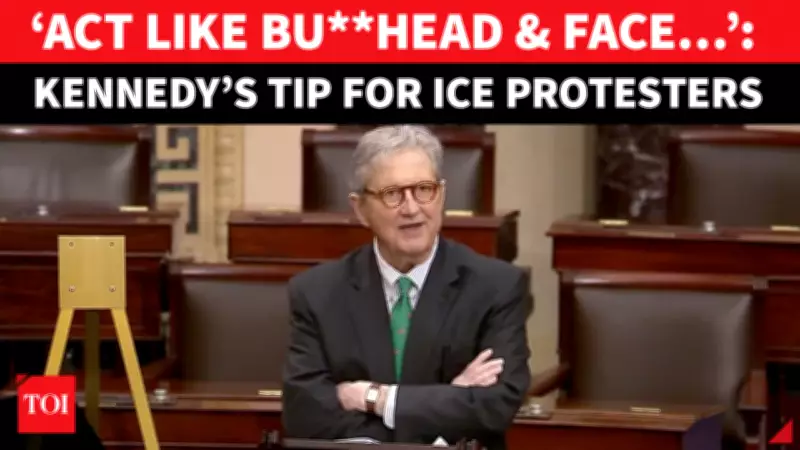
US Senator John Kennedy has issued a chilling threat to anti-ICE protesters, calling violence against law enforcement "bone-deep stupid" and warning that clashes with officers "won't end well." His remarks, delivered on Capitol Hill on February 12, come as protests intensify across the nation following a fatal shooting during an ICE operation in Minnesota.
Senator Kennedy's Blunt Remarks on Capitol Hill
During his address, Senator Kennedy did not mince words, directly targeting protesters who engage in violent confrontations with law enforcement. He emphasized the seriousness of such actions, stating that they are not only foolish but also dangerous for all parties involved. The senator's comments reflect growing concerns over the safety of police officers and the broader implications for public order.
Background: Fatal Shooting Sparks National Debate
The catalyst for this heightened rhetoric was a recent incident in Minnesota, where two individuals were fatally shot during an ICE operation. This event has ignited a fierce national debate, touching on critical issues such as immigration enforcement policies, police accountability, and the permissible boundaries of protest. Protesters have taken to the streets in response, demanding justice and reforms, while law enforcement agencies brace for potential escalations.

Implications for Immigration and Law Enforcement
Senator Kennedy's warning underscores the volatile intersection of immigration politics and law enforcement challenges in the United States. As protests continue to grow, there is increasing scrutiny on how authorities handle demonstrations and enforce immigration laws. The debate now centers on balancing the right to protest with the need to maintain public safety and uphold legal procedures.
National Reactions and Ongoing Developments
The senator's remarks have drawn mixed reactions, with some praising his stance on supporting law enforcement and others criticizing it as inflammatory. Meanwhile, the protests show no signs of abating, with activists vowing to continue their demonstrations until substantive changes are made. This situation highlights the deep divisions in American society over immigration and policing, setting the stage for further political and social confrontations.
As the nation watches closely, the outcomes of these protests and the responses from policymakers like Senator Kennedy could have lasting impacts on immigration enforcement strategies and police-community relations across the country.