Schumer's 'Jim Crow 2.0' Remark Ignites Firestorm Over SAVE Act Voting Bill
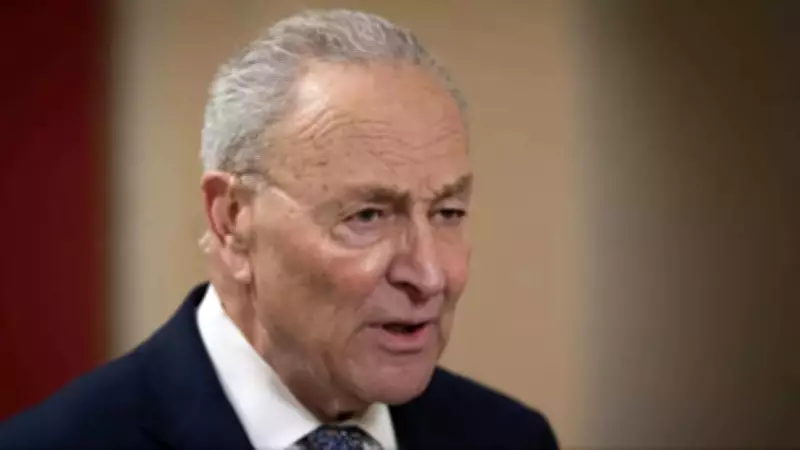
In a dramatic political confrontation, Senate Minority Leader Chuck Schumer has launched a scathing critique of the Safeguard American Voter Eligibility (SAVE) Act, branding it as "nothing more than Jim Crow 2.0." Schumer contends that this legislative proposal would "disenfranchise millions of Americans" by imposing stringent new requirements for voter registration in federal elections.
What Is the SAVE Act and Why Is It Controversial?
The SAVE Act, introduced by Republican Representative Chip Roy of Texas with a companion bill from Senator Mike Lee, mandates that individuals must present documentary proof of U.S. citizenship when registering to vote in federal elections. Acceptable documents include a passport, birth certificate, or naturalization certificate, typically requiring in-person submission. This measure aims to ensure that only eligible citizens participate in the electoral process, but it has sparked intense debate over potential barriers to voting access.
The Historical Context: Understanding Jim Crow Laws
Schumer's comparison has thrust the historical legacy of Jim Crow laws back into the national spotlight. These were a system of state and local statutes, predominantly in the American South, that enforced racial segregation and systematically disenfranchised Black Americans from the late 19th century until the 1960s.

Key mechanisms of voter suppression under Jim Crow included:
- Poll Taxes: Fees required to vote, which excluded poor Black and many poor white citizens.
- Literacy and 'Understanding' Tests: Subjectively administered with impossible standards for Black applicants, while white applicants were often exempted.
- Grandfather Clauses: Allowed white voters to bypass restrictions if their ancestors voted before the Civil War, automatically excluding most Black citizens.
- Residency and Registration Hurdles: Complex systems designed to create additional barriers.
Backed by the Supreme Court's 1896 Plessy v. Ferguson ruling, which upheld "separate but equal" doctrine, segregation became entrenched in schools, public transport, and facilities. These measures, reinforced by intimidation and violence, led to a dramatic collapse in Black voter registration until the Civil Rights Act of 1964 and Voting Rights Act of 1965 dismantled much of this framework.
The Modern Debate: Supporters vs. Critics of the SAVE Act
In the current political landscape, the debate over the SAVE Act mirrors deep divisions on voting rights. Supporters argue that requiring documentary proof of citizenship is a necessary safeguard to protect election integrity and prevent non-citizens from voting. They view it as a straightforward measure to uphold legal standards.
Critics, however, counter that such requirements can function as modern barriers, particularly for vulnerable communities who may lack passports or easy access to birth records. They argue that these measures could disproportionately affect minority, elderly, and low-income groups, echoing past tactics that limited ballot access.
By invoking "Jim Crow 2.0," Schumer is asserting that the SAVE Act, though framed in race-neutral language, could create structural obstacles that disproportionately impact certain demographics, thereby reviving historical patterns of voter suppression. This comparison remains politically charged because Jim Crow laws were explicitly designed to suppress Black political power through discriminatory intent and enforcement.
Broader Implications for American Democracy
This controversy highlights ongoing tensions between election security and voting accessibility in the United States. As lawmakers grapple with the SAVE Act, the discussion extends beyond partisan lines to touch on fundamental questions about civic participation and historical legacy. The revival of Jim Crow references underscores how past injustices continue to shape contemporary policy debates, reminding citizens of the fragile nature of voting rights and the need for vigilant protection against disenfranchisement.