Russian Security Council Official Hails Trump as 'Effective Leader' Who Pursues Peace
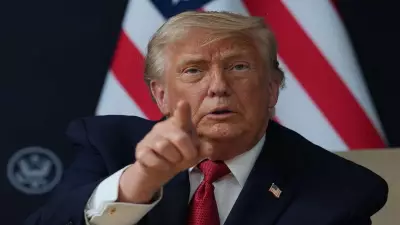
A senior official from the Russian Security Council has publicly praised former U.S. President Donald Trump, characterizing him as an effective leader with a genuine commitment to fostering peace. This endorsement comes in the wake of Trump's controversial statements made in August, where he claimed to have repositioned two nuclear submarines in close proximity to Russian territory.
Medvedev's Response to Trump's Nuclear Submarine Claims
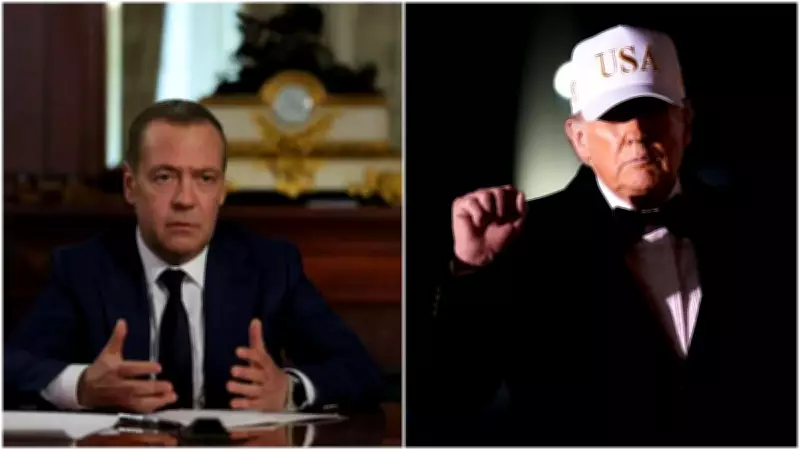
In a pointed response to Trump's assertions, Dmitry Medvedev, a prominent figure within the Russian Security Council, remarked that Moscow has not yet detected the presence of these alleged submarines. Medvedev's comment subtly challenges the veracity of Trump's claims, while simultaneously acknowledging the former president's leadership qualities. This nuanced stance highlights the complex and often contradictory nature of international relations between the two global powers.
Analyzing the Implications of Trump's Leadership Style
The Russian official's praise for Trump underscores a perception that his unconventional approach to diplomacy may yield unexpected outcomes in geopolitical negotiations. By describing Trump as an effective leader who seeks peace, the statement suggests that Moscow views his tenure as potentially conducive to stabilizing tensions, despite the provocative nature of his submarine remarks. This perspective invites a deeper examination of how leadership styles are interpreted across different political landscapes.

The Broader Context of U.S.-Russia Relations
This development occurs against a backdrop of ongoing strategic maneuvering between the United States and Russia, particularly in the realm of nuclear deterrence. Trump's comments about submarine repositioning reflect a long-standing pattern of military posturing, while the Russian response indicates a cautious yet open attitude toward dialogue. The interplay between public statements and covert operations remains a critical factor in understanding the dynamics of this bilateral relationship.
Future Prospects for Diplomatic Engagement
As global observers assess the ramifications of these exchanges, the Russian Security Council's characterization of Trump as a peace-seeking leader may signal a willingness to engage in future diplomatic initiatives. However, the unresolved issue of the nuclear submarines serves as a reminder of the persistent challenges in achieving mutual trust and transparency. The evolving discourse between these nations will likely continue to shape international security paradigms in the coming years.