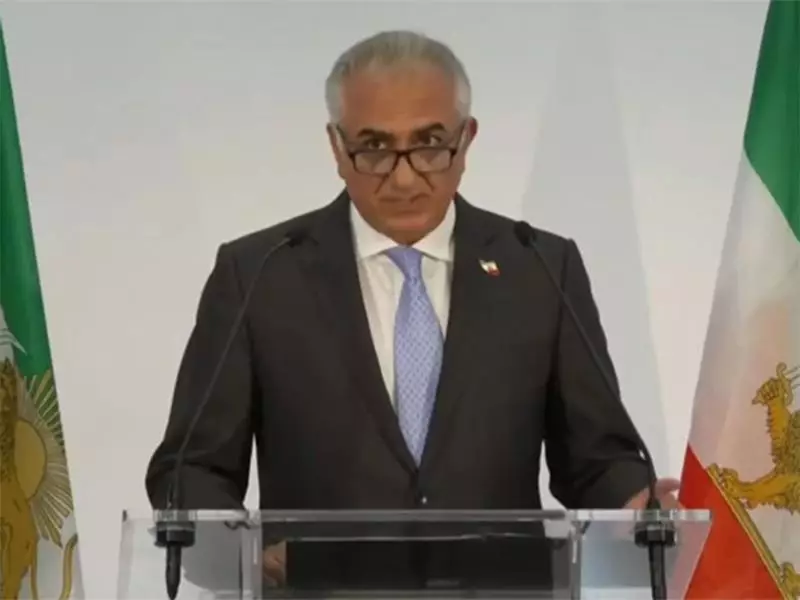
In a direct and public appeal, Reza Pahlavi, the exiled crown prince of Iran, has called upon former United States President Donald Trump to support the Iranian people in their struggle against the ruling theocratic regime. Pahlavi's message urges the international community, and specifically Trump, to stand with Iranians seeking liberation and the restoration of their nation's former glory.
A Direct Appeal for Support
The son of the late Shah of Iran, Mohammad Reza Pahlavi, made his plea in a video message posted on the social media platform X, formerly known as Twitter. In the video, Pahlavi directly addresses Trump, leveraging the former president's famous political slogan. "Help them liberate themselves and make Iran great again," Pahlavi stated, framing the Iranian people's desire for freedom as a parallel to Trump's "America First" ideology.
Pahlavi's appeal is not for military intervention but for robust political and moral support. He emphasized that the Iranian people themselves are the primary force for change, having repeatedly shown their dissent through widespread protests, most notably following the death of Mahsa Amini in 2022. His request to Trump and the wider world is to amplify their voice and hold the Islamic Republic accountable for its actions.

Context and Political Calculations
This public outreach comes at a critical juncture in both American and Iranian politics. Donald Trump is currently the presumptive Republican nominee for the upcoming US presidential election, positioning him for a potential return to the White House. During his previous term, Trump adopted a famously hardline stance against Tehran, unilaterally withdrawing the US from the landmark 2015 nuclear deal and imposing a policy of "maximum pressure" through severe sanctions.
Pahlavi, who has lived in exile since the 1979 Islamic Revolution, is a prominent figure among opposition groups seeking an end to clerical rule. While he does not explicitly call for a restoration of the monarchy, his vision involves a secular, democratic republic. By invoking Trump, Pahlavi is strategically engaging a figure whose policies have significantly impacted Iran's economy and whose potential re-election could reshape US foreign policy. The use of the phrase "make Iran great again" is a clear attempt to resonate with Trump's political base and worldview.
Implications for Iran and International Relations
The appeal underscores the ongoing and fierce battle for narrative control regarding Iran's future. The ruling regime in Tehran consistently labels opposition figures like Pahlavi as irrelevant and attributes domestic unrest to foreign interference. Pahlavi's direct message to a key Western leader challenges that narrative by presenting the opposition as a cohesive force seeking international solidarity, not intervention.
Analysts suggest this move is aimed at keeping the Iranian opposition's cause in the global spotlight, especially as geopolitical attention shifts to other conflicts. It also serves as a reminder to Washington that a significant portion of the Iranian populace opposes the current government, a factor that should be considered in any future diplomatic or strategic calculations. The call for help to "liberate themselves" frames the struggle as an internal Iranian movement deserving of external moral and political backing.
Whether this appeal will translate into concrete policy shifts remains to be seen. However, it successfully highlights the persistent demand for change within Iran and the opposition's efforts to forge alliances on the world stage. The coming months, especially surrounding the US elections, will be crucial in determining the level of international attention and support the Iranian democratic movement receives.