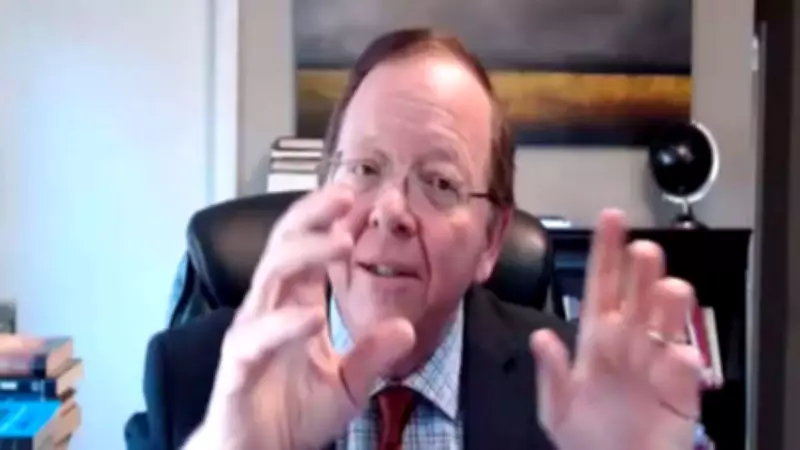
Former White House Official Warns of Political Fallout from Iran Conflict
A former high-ranking White House official has issued a stark warning that a prolonged military engagement with Iran could potentially derail President Donald Trump's bid for re-election. The official, speaking on condition of anonymity, highlighted the significant political and electoral risks associated with an extended conflict in the Middle East.
Historical Precedents and Electoral Vulnerabilities
The analysis draws upon historical parallels where protracted foreign wars have negatively impacted sitting presidents. The official pointed to the erosion of public support and the diversion of national resources as key factors that could undermine Trump's campaign. With the 2020 presidential election approaching, any sustained military action is seen as a major liability.
The former official emphasized, "The American electorate has little appetite for another endless war. A prolonged conflict with Iran would likely alienate key voter blocs and dominate the news cycle, overshadowing the administration's domestic achievements."

Strategic and Economic Implications
Beyond the political calculus, a war with Iran carries profound strategic and economic consequences. The region's instability could spike global oil prices, triggering inflation and economic uncertainty at home. Furthermore, such a conflict would strain alliances and require a massive commitment of military personnel and financial expenditure.
- Risk of high American casualties and prolonged troop deployments.
- Potential for regional escalation involving other Middle Eastern powers.
- Substantial financial costs, adding to the national debt.
- Negative impact on global markets and trade relations.
The official's assessment suggests that the Trump administration must carefully weigh the long-term political costs against any short-term strategic gains from military action.
Broader Geopolitical Context
The warning comes amidst heightened tensions between the United States and Iran. The official's comments reflect deep concerns within certain policy circles about the trajectory of U.S. foreign policy. The potential for miscalculation or escalation remains a critical concern for national security experts.
This internal critique underscores the complex interplay between foreign policy decisions and domestic political fortunes. As the election year progresses, the administration's handling of the Iran situation will be closely scrutinized by voters and political analysts alike.