

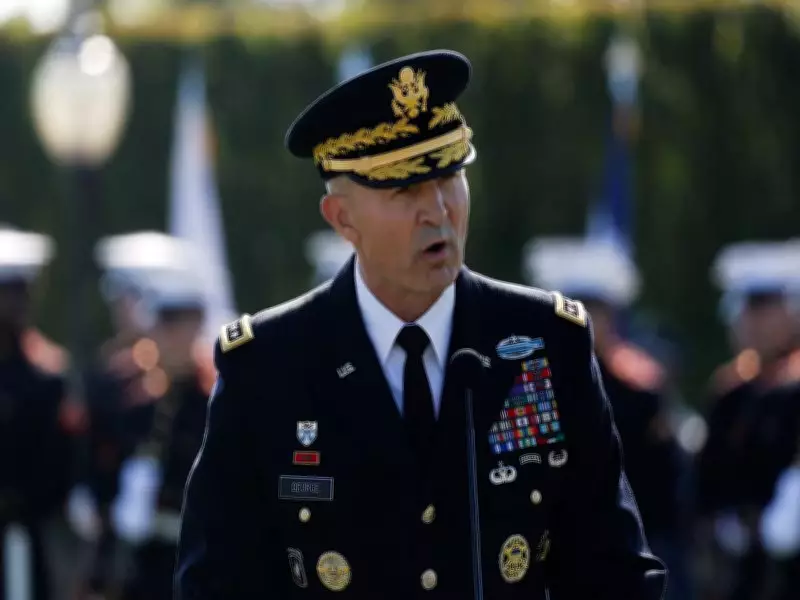
Pete Hegseth Ousts US Army Chief Randy George, Orders Immediate Retirement
In a stunning and unexpected development that has sent shockwaves through the United States military establishment, Pete Hegseth has taken decisive action to remove US Army Chief Randy George from his high-ranking position. The order mandates George's immediate retirement, marking a significant and abrupt change in the leadership structure of the US Army. This move, executed with little prior warning, underscores a period of intense transition and potential strategic realignment within the nation's armed forces.
Details of the Leadership Shake-Up
The decision to oust Chief Randy George was formally announced and enacted by Pete Hegseth, a figure whose authority in this context points to a high-level administrative or oversight role within the military or governmental framework. The directive for immediate retirement leaves no room for a transitional phase, indicating the urgency and firmness behind this leadership change. Randy George, who had been serving as the US Army Chief, is now required to step down from all duties and responsibilities associated with his command without delay.
This action represents one of the most significant and rapid alterations to the US Army's senior command in recent memory. The immediate nature of the retirement order suggests that the reasons behind this move are considered pressing and non-negotiable, potentially related to performance evaluations, strategic disagreements, or broader policy shifts at the highest levels of military governance.

Implications for the US Army and Military Strategy
The sudden removal of Army Chief Randy George is poised to have profound implications for the operational and strategic direction of the US Army. Leadership at this level is critical for overseeing troop deployments, budgetary allocations, training protocols, and long-term defense planning. An immediate vacancy in such a pivotal role necessitates the swift appointment of a successor to ensure continuity of command and maintain military readiness.
Analysts and observers within defense circles are likely scrutinizing this event for signals about future priorities and potential reforms within the Army's hierarchy. The manner of George's departure—ordered into immediate retirement rather than a planned succession—may indicate underlying tensions or a desire for a clean break from previous leadership approaches. This could herald new doctrinal focuses, changes in personnel policy, or a realignment of the Army's role within the broader US defense apparatus.
Broader Context and Reactions
While the specific, detailed reasons for Pete Hegseth's decision have not been publicly elaborated in the initial reports, such a high-profile ousting is certain to generate extensive discussion and reaction. The news will resonate through political, military, and media channels, with stakeholders assessing the impact on morale, institutional stability, and international perceptions of US military leadership.
The event underscores the dynamic and sometimes unpredictable nature of top-level military appointments. It serves as a reminder of the significant authority wielded by key officials in shaping the command structure of the nation's armed forces. The coming days will be crucial as the US Army navigates this leadership transition, with attention focused on the appointment of a new Chief and any subsequent statements from the Department of Defense or the White House regarding the future trajectory of the Army.
In summary, the order by Pete Hegseth for the immediate retirement and removal of US Army Chief Randy George constitutes a major and sudden shift in military leadership. This development will undoubtedly influence the strategic planning, operational effectiveness, and public profile of the US Army in the near term, as the institution adapts to this unexpected change at its highest echelons.






