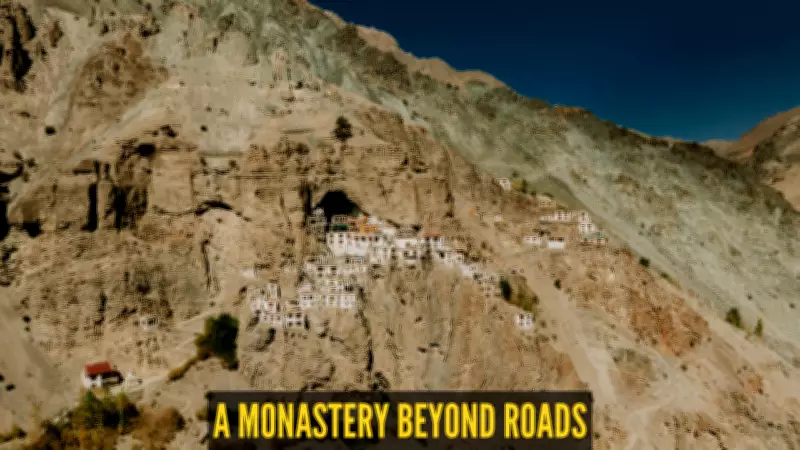
Perched high in the rugged, breathtaking mountains of Ladakh, clinging to a sheer cliff above a deep river gorge, lies one of India's most extraordinary monasteries. Unlike popular tourist destinations, Phugtal Monastery cannot be reached by road. There are no direct routes, no bustling souvenir shops, and no mobile phone signal to connect you to the outside world. For those seeking genuine solitude, adventure, and a glimpse into a lifestyle unchanged for centuries, Phugtal offers a truly unique experience.
Where is Phugtal Monastery?
Phugtal is situated in the remote Lungnak Valley in Ladakh's Zanskar region, at an altitude of approximately 3,850 meters above sea level. It is built directly into a natural cave overlooking the Tsarap River. The name reflects its setting: in the local dialect, "Phug" means cave and "Tal" means liberation, translating to "Cave of Liberation." The whitewashed structures resemble a giant honeycomb cascading down the mountainside, defying gravity. Due to its isolation, the spiritual atmosphere remains pristine, making it one of the most captivating sites in the Himalayas.
Why Are There No Roads to the Monastery?
The absence of roads is due to challenging geography and the desire to preserve the site. The monastery is wedged into a steep cliff within a narrow gorge. Constructing a road would require extensive blasting and excavation, which could damage the ancient cave and destabilize the fragile mud-and-wood buildings. Consequently, the final leg of the journey must be completed on foot. While roads have gradually extended into Zanskar, Phugtal remains inaccessible to vehicles. This lack of road access enhances its charm, compelling visitors to slow down, abandon modern comforts, and earn their arrival by trekking through stunning Ladakhi scenery.

How to Reach Phugtal Monastery
The journey typically begins in Leh or Kargil, proceeding to Padum, the main town of Zanskar. From Padum, travelers can drive to villages like Purne or Chah to start the trek. Most opt to begin from Purne. The trek from Purne to the monastery covers about 5 to 6 kilometers, taking two to three hours each way. The trail follows the Tsarap River through a spectacular canyon, crossing a suspension bridge before the final ascent to the monastery. Despite the moderate distance, the views of towering cliffs, turquoise water, and stark mountains capture the raw beauty of Zanskar.
A Monastery with Over a Thousand Years of History
Phugtal's history is ancient. The natural cave at its core is believed to have attracted meditators for over 2,000 years. Local tradition links the cave to Buddhist figures like Guru Padmasambhava, who introduced Buddhism to the Himalayas. The monastery as it stands today was founded in the early 15th century by Jangsem Sherap Zangpo, a follower of the Gelug school of Tibetan Buddhism. Since then, it has been a thriving center for study, meditation, and prayer, with dozens of monks residing there.
What Travellers Can Expect
The first sight of Phugtal is unforgettable. The monastery appears to cling to the rock, its prayer halls adorned with ancient paintings, prayer wheels, and sacred texts that create a deeply spiritual ambiance. At the heart of the complex is the original cave, where a natural spring bubbles up, considered sacred by monks and locals. Facilities are basic: simple food, limited electricity, and no luxury. This simplicity allows visitors to unplug and experience the slow rhythm of monastic life.
Best Time to Visit
The ideal time to visit is between June and September. During summer, roads into Zanskar are clear, weather is mild, and trails are in good condition, making trekking safe and enjoyable. Winter visits are extremely challenging due to heavy snow and freezing temperatures, suitable only for experienced adventurers.
Trek Difficulty and Altitude Precautions
The trek is moderate in difficulty, manageable for those with reasonable fitness. However, altitude poses a real challenge. To prepare safely: allow time to acclimatize by spending a few days in Leh or similar high-altitude locations; listen to your body for symptoms of altitude sickness like headache, dizziness, or fatigue; maintain a steady pace, stay hydrated; descend immediately if symptoms worsen; pack essentials including a first-aid kit, warm layers, snacks, and ample water.

In an era where most tourist sites are easily accessible by car, Phugtal Monastery stands as a remarkable exception. Hidden in the craggy peaks of Zanskar, it demands effort but rewards visitors tenfold with its serene beauty and spiritual depth.