US Defense Department Severs Educational Ties with Harvard University
The United States Pentagon has made a significant announcement regarding its educational partnerships with one of the nation's most prestigious institutions. In a move that escalates the ongoing confrontation between the Trump administration and Harvard University, the Department of Defense will completely terminate all military training, fellowship, and certificate programs with the Ivy League university.
Implementation Timeline and Scope of the Decision
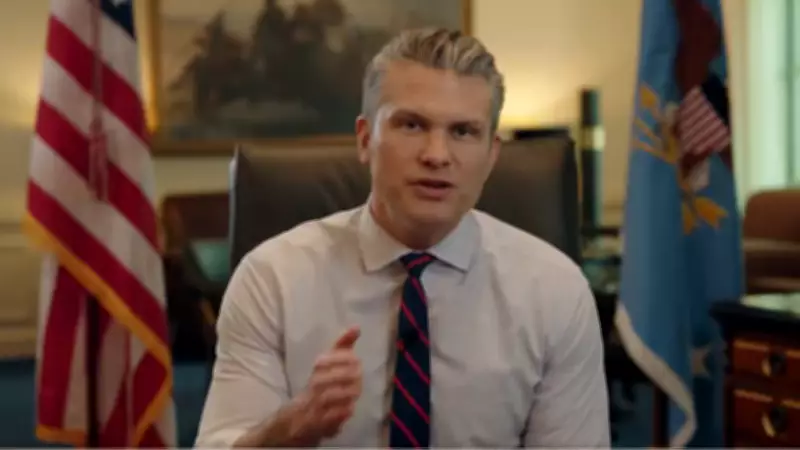
Defense Secretary Pete Hegseth revealed on Friday that this decisive action will take effect from the 2026-27 academic year. The termination will specifically halt graduate-level professional military education currently offered at Harvard University. However, personnel who are currently enrolled in these programs will be permitted to complete their courses without interruption.
Hegseth further indicated that similar programs at other Ivy League universities will undergo comprehensive review in the coming weeks, suggesting this decision might represent the beginning of broader changes in military-education partnerships with elite institutions.

Official Rationale Behind the Decision
In an official statement, Defense Secretary Hegseth explained the reasoning behind this dramatic move. "Harvard no longer meets the needs of the War Department or the military services," he declared. "For too long, this department has sent our best and brightest officers to Harvard, hoping the university would better understand and appreciate our warrior class."
"Instead, too many of our officers came back looking too much like Harvard – heads full of globalist and radical ideologies that do not improve our fighting ranks," Hegseth added, emphasizing what he perceives as problematic ideological influences.
The defense secretary reinforced this position through a separate post on social media platform X, where he wrote succinctly: "Harvard is woke; The War Department is not."
Broader Context of Administration's Campaign Against Harvard
This educational severance represents just one component of a broader campaign by President Donald Trump's administration targeting Harvard University. The institution has emerged as a central focus in the administration's efforts to reshape the nation's most prominent universities according to its ideological preferences.
Federal officials have already implemented several punitive measures against Harvard, including cutting billions of dollars in research funding to the university. Additionally, the administration has sought to bar Harvard from enrolling foreign students following the university's rejection of a series of government demands last April.
The White House has publicly stated that these measures are intended to punish Harvard for allegedly tolerating anti-Jewish bias on campus. However, Harvard leadership contends they are facing unlawful retaliation for refusing to adopt the administration's specific ideological positions.
Legal Battles and Escalating Demands
The university has responded to these pressures through legal channels, filing two separate lawsuits against the federal government. In both cases, federal judges have issued rulings siding with Harvard's position. The Trump administration is currently appealing these judicial decisions.
While tensions appeared to ease somewhat during the summer months after President Trump suggested a potential deal with Harvard was imminent, negotiations ultimately stalled. The situation escalated further on Monday when the president raised his demands, now seeking $1 billion from the university as a condition for restoring federal funding – double the amount previously proposed.
Personal Dimension and Historical Context
Adding a personal dimension to this institutional conflict, Defense Secretary Pete Hegseth himself earned a master's degree from Harvard University. However, he publicly returned his diploma during a 2022 Fox News segment, with a Pentagon social media account later reposting the clip showing him writing "Return to Sender" on the document.

Traditionally, the US military has allowed officers to pursue graduate education through its own war colleges and select civilian institutions. While civilian degrees often offer limited immediate benefit to military promotion, they can significantly enhance career prospects after military service concludes.
This decision marks a significant shift in the long-standing relationship between the US military and elite educational institutions, potentially signaling broader changes in how the Department of Defense approaches officer education and ideological alignment with academic partners.