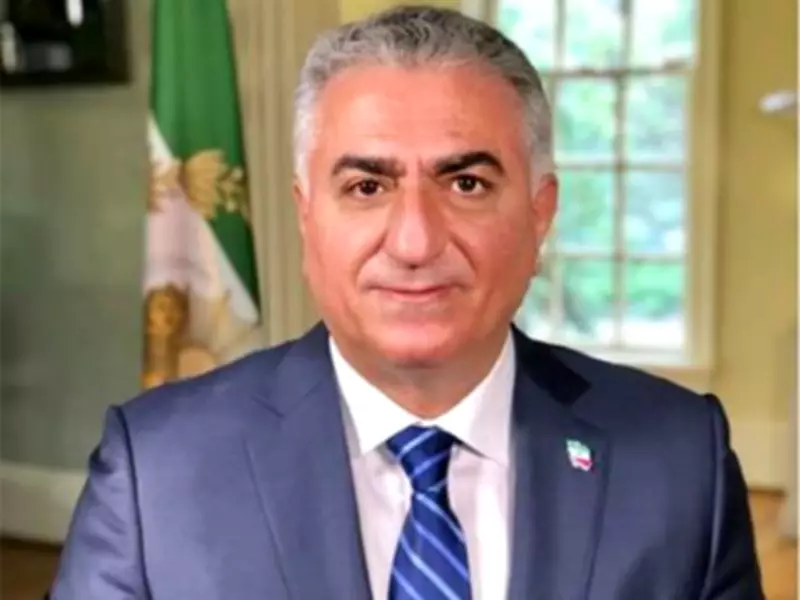
Exiled Crown Prince Pahlavi Calls on Iranian Diaspora to Advocate for Regime Collapse
In a significant political development, exiled Crown Prince Reza Pahlavi has issued a direct appeal to Iranians living abroad, urging them to intensify their efforts in lobbying their respective government representatives to actively support the collapse of the current Islamic Republic regime in Iran. This call to action underscores the ongoing and escalating tensions within the Iranian political landscape, as opposition figures seek to mobilize international pressure against the ruling authorities.
Pahlavi's Strategic Appeal to the Global Iranian Community
Reza Pahlavi, the son of the last Shah of Iran, Mohammad Reza Pahlavi, who was overthrown in the 1979 Islamic Revolution, has long been a vocal critic of the Tehran government from his base in the United States. In his latest statement, he emphasized the critical role that the Iranian diaspora can play in influencing foreign policy decisions, particularly in Western nations where many Iranians have settled. Pahlavi argued that by engaging with elected officials and policymakers, expatriate Iranians can help shape a more robust international response aimed at destabilizing the regime.
The crown prince highlighted that the diaspora's collective voice could be a powerful tool in amplifying calls for democratic change and human rights improvements within Iran. He pointed to recent protests and civil unrest in Iran as evidence of widespread dissatisfaction with the government, suggesting that external pressure could complement internal dissent to accelerate political transformation.

Context of Rising Political Unrest in Iran
This appeal comes against a backdrop of persistent economic challenges, social restrictions, and political repression in Iran, which have fueled periodic waves of public demonstrations. The regime has faced criticism both domestically and internationally for its handling of dissent, with reports of human rights abuses and crackdowns on protesters. Pahlavi's message taps into these grievances, positioning the diaspora as key allies in a broader struggle for regime change.
Analysts note that such calls from exiled figures like Pahlavi are part of a long-standing strategy to isolate the Iranian government diplomatically and economically. By urging Iranians abroad to lobby their representatives, Pahlavi aims to build a coalition of international support that could lead to sanctions, diplomatic isolation, or other measures intended to weaken the regime's hold on power.
Potential Implications and Responses
The response to Pahlavi's appeal is likely to be mixed, with some Iranians abroad embracing the call to action as a means to support their homeland, while others may view it with skepticism or caution. The Iranian government has historically dismissed such efforts as foreign interference and has accused exiled opposition figures of being out of touch with the realities on the ground.
- Increased lobbying efforts by Iranian diaspora groups in countries like the United States, Canada, and European nations.
- Potential escalation in diplomatic tensions between Iran and Western governments if such campaigns gain traction.
- Debates within the Iranian community about the effectiveness and legitimacy of external pressure in driving internal change.
As the situation evolves, the role of the Iranian diaspora in shaping international perceptions and policies toward Iran will remain a focal point. Pahlavi's call underscores the interconnectedness of global politics and diaspora activism, highlighting how exiled communities can influence events in their countries of origin through sustained advocacy and engagement.