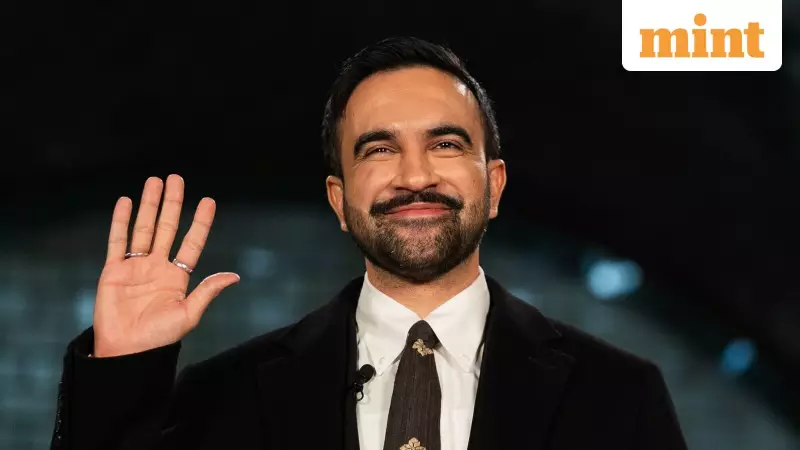
In a historic ceremony held just after midnight, Zohran Kwame Mamdani was sworn in as the 110th mayor of New York City, embarking on a tenure laden with immense promise and formidable challenges. The 34-year-old democratic socialist, born in Uganda of South Asian descent, shattered multiple barriers, becoming the city's first Muslim mayor, first of South Asian heritage, and its youngest leader in over a century.
The Midnight Oath and a Daunting Agenda
The intimate swearing-in, conducted by New York State Attorney General Letitia James, took place in a symbolic location: a decommissioned Gilded Age-era subway station beneath City Hall. Mamdani chose this site to honour the city's legacy of ambitious public works. A larger public inauguration and a block party on Broadway in Lower Manhattan followed later on Thursday.
Mamdani assumes power with a clear but costly mandate from voters: to tackle New York's crushing cost of living. His flagship promises include creating a free citywide bus system, expanding free child care, and curbing soaring rents. However, the political and fiscal clock is already ticking. "You are given about a week to deliver," noted Andrea Hagelgans, a former senior adviser to Mayor Bill de Blasio, highlighting the famed impatience of New Yorkers.

The Tightrope Walk: Progressive Ideals vs. Pragmatic Governance
Political observers suggest Mamdani must quickly identify and execute on policies with tangible short-term results to build public trust. While expanding affordable housing is a long-term project, moves on child care could yield faster, visible benefits. The free bus proposal, though popular, carries an estimated annual price tag of $800 million and requires complex negotiations with the state-run Metropolitan Transportation Authority.
His identity as a democratic socialist and his plans to raise taxes on the wealthy and corporations have unsettled Wall Street and real estate elites. Critics also question his public safety strategy, which involves creating a new agency to deploy mental-health professionals for certain emergency calls. In a significant conciliatory move, Mamdani persuaded Police Commissioner Jessica Tisch to remain in her post.
"I would not be surprised if he becomes more moderate in his stances," Hagelgans predicted, emphasising that compromise with the business community and state lawmakers will be essential to fund his ambitious plans, which include an estimated $6 billion annually just for universal child care for infants to 5-year-olds.
Navigating National Politics and the Albany Hurdle
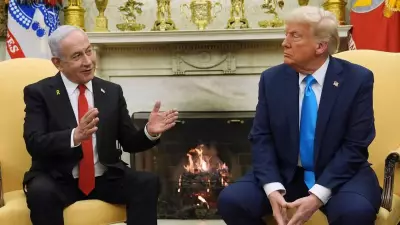
Mamdani's rapid ascent from a little-known state assemblyman to a national figure has also placed him in the crosshairs of former President Donald Trump. After a campaign marked by heated exchanges, including a threat from Trump to deploy the National Guard, the two held a surprisingly cordial meeting at the White House in November.
The new mayor's ultimate test, however, may lie in Albany, where the state legislature convenes later this month. Any new city taxes or major funding requests require approval from state lawmakers. "He goes up to Albany with the political will in his fist and the wind at his back," said former City Councilman Justin Brannan, a Democrat. Brannan added that Mamdani can seek flexibility within the city's own $116 billion budget, stating, "It's all about priorities."
As the celebrations wind down, Mayor Mamdani now faces the relentless task of translating a bold, progressive vision into practical relief for millions of New Yorkers, all while balancing the expectations of his base with the realities of governing a global economic powerhouse.