Israeli Prime Minister Makes Unverified Assertion About Iranian Leader's Status
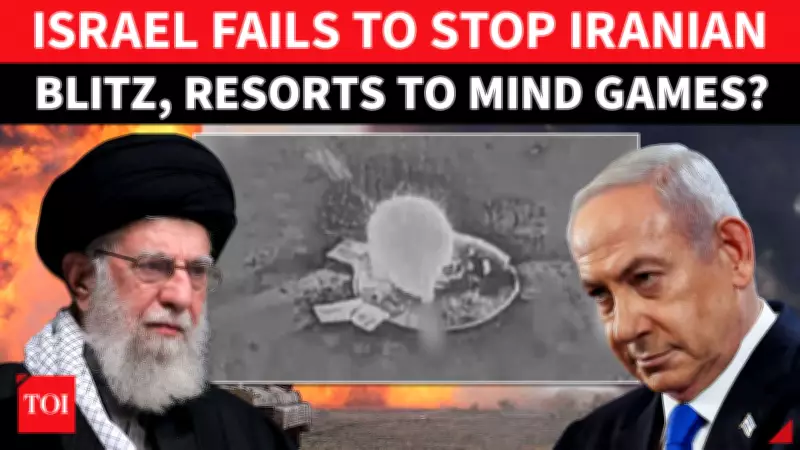
In a high-stakes move that has sent shockwaves through the international community, Israeli Prime Minister Benjamin Netanyahu has publicly declared that Iran's Supreme Leader Ali Khamenei might no longer be alive. Netanyahu stated there are "many signs" pointing to this possibility, yet he provided no concrete evidence or proof to substantiate this dramatic claim. The announcement was made during a period of heightened military and diplomatic friction involving Israel, the United States, and Iran.
Escalating Regional Tensions and Political Gambit
The timing of Netanyahu's remarks is particularly significant, as they coincide with escalating hostilities and missile attacks in the Middle East. In what appears to be a calculated political maneuver, Netanyahu directly appealed to the citizens of Iran, urging them to "flood the streets" and seize what he described as a once-in-a-generation opportunity to overthrow the current regime. This call to action underscores Israel's strategic efforts to destabilize Iran from within, leveraging internal dissent amid external pressures.
Iran has not issued an official response to Netanyahu's allegations, a silence that has fueled speculation and raised alarms about potential further destabilization in the region. The absence of a rebuttal from Tehran adds a layer of uncertainty, with analysts warning that such unverified claims could exacerbate existing conflicts and trigger unpredictable reactions from Iranian authorities and their allies.
Context of Broader Conflict and International Implications
Netanyahu's statement emerges against a backdrop of recent violent incidents, including missile strikes on Gulf nations and American bases, which have been attributed to Iran or its proxies. These events have intensified the already volatile situation, with reports of casualties and retaliatory threats circulating widely. The Israeli Prime Minister's unsubstantiated claim about Khamenei's status may be interpreted as an attempt to influence public perception and rally support amid these ongoing confrontations.
The international community is closely monitoring the developments, as any misstep or miscalculation could lead to a broader regional war. Netanyahu's gambit highlights the precarious balance of power in the Middle East, where verbal provocations and psychological warfare often precede or accompany military actions. The lack of verifiable information regarding Khamenei's condition leaves room for manipulation and misinformation, potentially impacting diplomatic efforts and security dynamics.
Potential Ramifications and Future Outlook
If Netanyahu's claims are proven false, they could damage Israel's credibility and strain its alliances, particularly with the United States, which has been involved in managing the crisis. Conversely, if there is truth to the assertion, it could signify a major shift in Iranian leadership, with profound implications for regional politics and global security. The situation remains fluid, with experts emphasizing the need for cautious diplomacy and verified intelligence to navigate the complexities.
In summary, Benjamin Netanyahu's unverified declaration about Ali Khamenei's possible death represents a bold and risky strategy amid escalating Iran-Israel tensions. As the world awaits clarification from Tehran, the episode underscores the fragile nature of Middle Eastern geopolitics and the high stakes involved in such public pronouncements.