Mothin Ali: The Controversial Rise of Britain's Green Party Co-Deputy Leader
Mothin Ali has rapidly emerged as one of the most polarizing and controversial figures in contemporary British politics. His public clashes with Prime Minister Keir Starmer and persistent criticism from political opponents over his statements regarding Israel, Gaza, and international conflicts have placed him firmly at the center of national political discourse. As a councillor in Leeds and a prominent voice within the Green Party of England and Wales, Ali's journey from local activism to national leadership has been marked by both rapid ascent and intense scrutiny.
From Leeds Councillor to Green Party Leadership
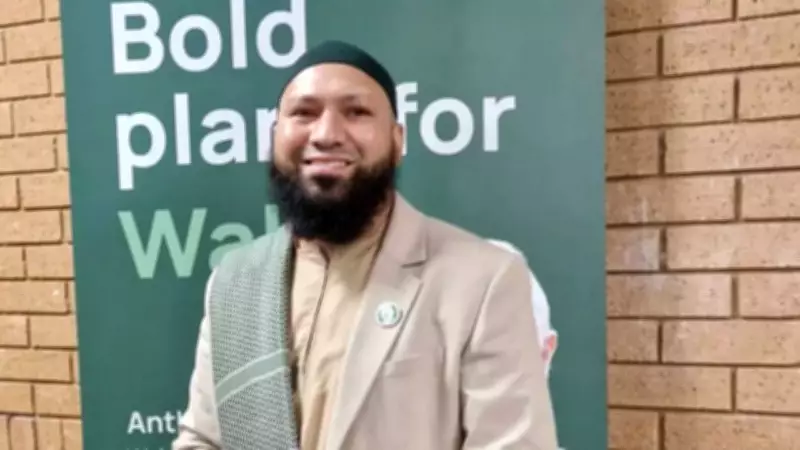
Mothin Ali serves as a councillor for the Gipton and Harehills ward in Leeds, an area characterized by its large, diverse population and significant South Asian communities. Born and raised in Leeds, he comes from a British Bangladeshi Muslim family with roots tracing back to Bangladesh. His parents were part of migrant communities that settled in northern England during the late twentieth century, providing him with firsthand understanding of immigrant experiences in Britain.
Before entering mainstream politics, Ali cultivated a substantial online following through political commentary and activism on various social media platforms. He was previously associated with the Labour Party but became increasingly disillusioned with the party under Keir Starmer's leadership. The disagreements centered particularly on Labour's political direction and its stance on critical issues including foreign policy and the Israel-Gaza conflict.

Ali subsequently joined the Green Party of England and Wales and experienced a remarkable rise within its organizational structure. In September 2025, he was elected co-deputy leader of the Green Party alongside fellow party figure Rachel Millward. This significant role places him among the senior leadership responsible for shaping the party's political strategy and public messaging. His election was widely interpreted as part of the party's strategic effort to broaden its appeal among younger voters and communities dissatisfied with Britain's two dominant political parties.
The October 7 Tweet Controversy
One of the most significant controversies surrounding Ali relates to a post he made on October 7, 2023, the very day militants from Hamas launched attacks inside Israel that resulted in more than 1,000 fatalities. In his tweet, Ali wrote that "white supremacist European settler colonialism must end."
Critics immediately argued that this statement appeared to contextualize or even justify the violence of the attack. Numerous political opponents and commentators cited the timing of the message as particularly inappropriate given the scale of civilian casualties. This comment has since been repeatedly referenced by critics questioning Ali's stance on Israel and the ongoing conflict in Gaza, becoming a persistent point of contention in political debates about his positions.
Remarks About an IDF-Serving Rabbi
Further criticism emerged in October 2025 when Ali referred to a Leeds rabbi who had previously served in the Israel Defense Forces as an "animal." This inflammatory remark triggered immediate calls from various politicians and commentators for the Green Party to take disciplinary action against him.
The Green Party leadership ultimately decided not to remove him from office, with supporters arguing that the remarks were made in the context of anger over the Gaza conflict. Nevertheless, this comment significantly intensified accusations from critics that Ali's political rhetoric had crossed acceptable boundaries, raising questions about appropriate political discourse in Britain's multicultural society.
The Escalating Clash with Keir Starmer
The dispute between Ali and Prime Minister Keir Starmer intensified dramatically in early 2026 during a heated debate in the UK Parliament. A Conservative MP alleged that Ali had attended a protest perceived as supportive of Iran's leadership following the killing of Iran's Supreme Leader during escalating Middle East tensions.

Responding to these allegations, Starmer stated he was "shocked but not surprised" by Ali's presence at the rally and suggested it reflected troubling tendencies within the Green Party. This remark quickly escalated the political row between Labour and the Greens, highlighting deepening divisions in British politics over international conflicts.
Ali firmly rejected the accusations, stating that the demonstration he attended was fundamentally about opposing war and escalation rather than supporting the Iranian regime. This exchange represents just one instance in an ongoing pattern of confrontation between Ali and establishment political figures, underscoring his unconventional approach to British politics.
Mothin Ali's political trajectory continues to generate significant debate about the boundaries of political discourse, the role of activism in mainstream politics, and how British political parties address complex international conflicts. His rise reflects broader shifts in political engagement while simultaneously raising important questions about responsibility in political leadership during times of global tension.