Minneapolis Shooting Ignites Nationwide Protests and ICE Debate
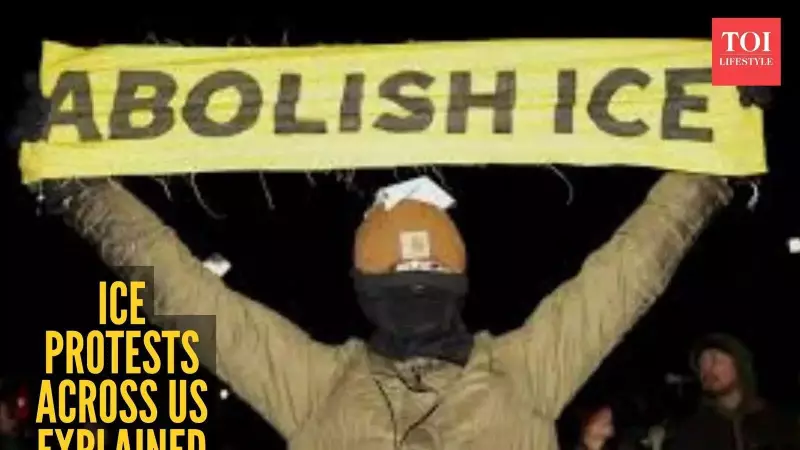
The fatal shooting of a 37-year-old woman in Minneapolis has triggered protests across the United States. This incident has placed fresh focus on US Immigration and Customs Enforcement, commonly known as ICE.
ICE's Expanded Role Under Trump
Since Donald Trump returned to the White House, ICE has conducted thousands of arrests. Many of these operations occur in public places. As a result, ICE officers now appear more frequently in neighborhoods and towns across the country. This increased visibility has generated significant pushback from communities that disagree with their methods.
ICE serves as the primary agency implementing the Trump administration's mass-deportation plan. This plan represents one of the president's major campaign promises. The administration has substantially expanded the agency's size, funding, and authority since taking office again.

Understanding ICE's Mandate and Powers
ICE's official mission involves enforcing immigration laws, investigating undocumented immigration, and removing individuals who are in the country illegally. The agency was established following the 9/11 attacks as part of the Homeland Security Act of 2002. This legislation created the Department of Homeland Security, with ICE becoming one of its key branches.
While ICE states its work focuses on public safety and national security, its operations differ significantly from regular local police departments. ICE agents possess the authority to stop, question, detain, and arrest people they suspect are in the US without proper documentation. In certain circumstances, they may even detain US citizens, particularly if someone interferes with an arrest, assaults an officer, or is mistakenly suspected of being undocumented.
Investigations have revealed multiple cases where US citizens were detained improperly. ProPublica reported that during the first nine months of Trump's presidency, more than 170 Americans were held against their will by immigration authorities.
The Minneapolis Case: Renee Nicole Good
The recent Minneapolis incident involves Renee Nicole Good, a US citizen who was shot and killed inside her vehicle. The Trump administration claims the officer acted in self-defense during the encounter. However, local officials have stated she did not pose a threat at the time of the shooting.
This tragic event has reignited debates about ICE's use of force. The rules governing such actions derive from the US Constitution, federal law, and Department of Homeland Security policies. Legal experts emphasize that deadly force should only be employed when someone presents a serious danger to others or has committed a violent crime. Courts typically grant officers considerable leeway when they must make split-second decisions.
A 2023 DHS memorandum explicitly states that deadly force may be used only when officers reasonably believe someone poses an immediate threat of death or serious injury. Renee Good's death has brought this critical debate back to the forefront of national discussion.
Where ICE Operates and How It Functions
ICE primarily operates within the United States, though it maintains some international staff. Officially, border security falls under US Customs and Border Protection's jurisdiction. Under the Trump administration, these operational boundaries have become increasingly blurred. Border Patrol agents now frequently work inside the country and participate in ICE-led raids.
Hundreds of federal officers have been deployed to major cities including Los Angeles, Chicago, and Minneapolis. For the latest operation in Minneapolis alone, authorities expect to station as many as 2,000 federal officers.
The treatment of individuals detained by ICE varies considerably. Some people are questioned and subsequently released. Others are transferred to large detention centers scattered across the nation. If they lose their immigration cases, they may face deportation. As of November 30, 2025, approximately 65,000 people remained in ICE detention facilities. Families and lawyers often spend days attempting to locate where their loved ones or clients have been taken.

Surge in Deportations and Public Response
Deportation numbers have increased dramatically. Between January 20 and December 10, 2025, the administration reported removing 605,000 people from the country. Officials also stated that 1.9 million more individuals "self-deported" following campaigns encouraging voluntary departure.
ICE continues to face protests and legal challenges. Residents frequently record arrests on their smartphones, and some encounters escalate into tense or violent situations. Previous shootings have occurred during immigration operations, including incidents in Los Angeles where DHS claimed drivers threatened officers with vehicles. Officers have also drawn criticism for wearing masks during raids; DHS defends this practice as protection against harassment or doxing.
Public opinion remains divided on these issues. Polls indicate many Americans support certain deportations but feel uneasy about how they are being implemented. A 2025 Pew Research Center survey found just over half of adults believed the administration was doing "too much" to deport undocumented immigrants, while approximately one-third supported the current approach.
Renee Good's death has become another flashpoint in this ongoing national conversation. The debate encompasses immigration policy, law enforcement practices, and the appropriate scope of ICE's powers in American society.