First Lady's Cinematic Debut Faces Historic Box Office Failure
For the first time in American history, a sitting First Lady has produced and released a feature-length documentary film. Melania Trump's $75 million project titled 'MELANIA' represents an unprecedented media venture from the White House, backed by Trump ally and billionaire Jeff Bezos through Amazon MGM Studios. Despite careful curation and aggressive marketing, the film has spectacularly failed to connect with audiences, raising questions about its financial viability and political implications.
Disastrous Box Office Numbers Tell the Story
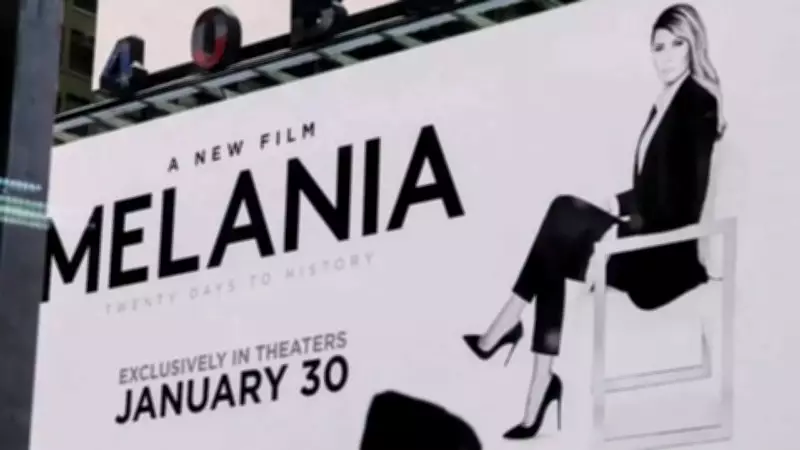
The documentary's commercial performance has been nothing short of catastrophic. Reportedly earning just $1 million in presales and projected to make approximately $5 million during its opening weekend, these figures represent a tiny fraction of the film's massive $75 million budget. Released in over 2,000 theaters worldwide on January 30, 2026, the documentary promised to reveal the "enigmatic" personality of the First Lady through her private life leading up to the 2025 inauguration.
Industry analysts note that the film would need to generate at least $150-200 million globally to break even, a target that now appears completely unattainable. The timing couldn't have been worse for the Trump administration, coming amidst growing public anger over ICE raids in Minneapolis that resulted in two resident deaths and renewed calls for impeachment proceedings.

Epstein Files Release Fuels Conspiracy Theories
As the film's failure became apparent, the sudden release of long-awaited Epstein-related documents created a perfect storm of online speculation. Comedian Brent Terhune captured the prevailing sentiment in a viral social media post that read: "Can't believe they released the Epstein files to cover up for the Melania movie." While presented tongue-in-cheek, the theory resonated across digital platforms, with many critics suggesting the timing felt strategically convenient for the administration.
The conspiracy theory gained traction precisely because the documentary was failing to capture public interest. As one social media user noted: "If the server is on fire, nobody complains about the font choice." This metaphorical observation highlighted how the Epstein files release effectively diverted attention from what many were calling a cinematic disaster of historic proportions.
Production Troubles and Controversial Background
The documentary faced multiple challenges even before its release. Directed by Brett Ratner of 'Rush Hour' fame, the project marked his return to filmmaking after sexual harassment and assault allegations from six women in 2017. Production crew members described the filming process as involving "really long hours, highly disorganized, very chaotic" conditions that likely impacted the final product's quality.
International distribution suffered early setbacks when the film was pulled from theaters in South Africa. In a particularly telling development, producer Nate Gilbert discovered a Craigslist advertisement offering free tickets plus $50 to anyone willing to sit through the film in Boston—a clear indication of the lack of audience enthusiasm.
Critical Reception and Public Reaction
Media reviews have been overwhelmingly negative, with The Independent describing the First Lady as "a preening, scowling void of pure nothingness in this ghastly bit of propaganda." British audiences proved particularly dismissive, with one social media post stating: "If they were screening it for free at the bottom of my garden I'd shut the curtains."
Online commentary has been merciless in its assessment. Beyond the Epstein files conspiracy theories, viewers have labeled the documentary "an absolute, all-time stinker" and "a bad film made by bad people about bad people." The film's failure represents more than just financial loss—it marks a significant embarrassment for an administration already facing multiple political challenges.

Broader Implications and Lasting Impact
The documentary's spectacular failure raises important questions about the intersection of politics, media, and public relations. Despite the Trump administration's attempts to control the narrative through media appearances and screenings, the public has rendered its verdict through box office receipts and social media commentary. The simultaneous release of Epstein files, whether coincidental or strategic, has created a fascinating case study in crisis management and public distraction techniques.
As the dust settles, one conclusion appears inescapable: Melania Trump's cinematic debut has flopped spectacularly, and no document release—however significant—can alter that fundamental reality. The episode serves as a cautionary tale about the risks of blending political messaging with commercial entertainment ventures, particularly when public sentiment has already turned skeptical.