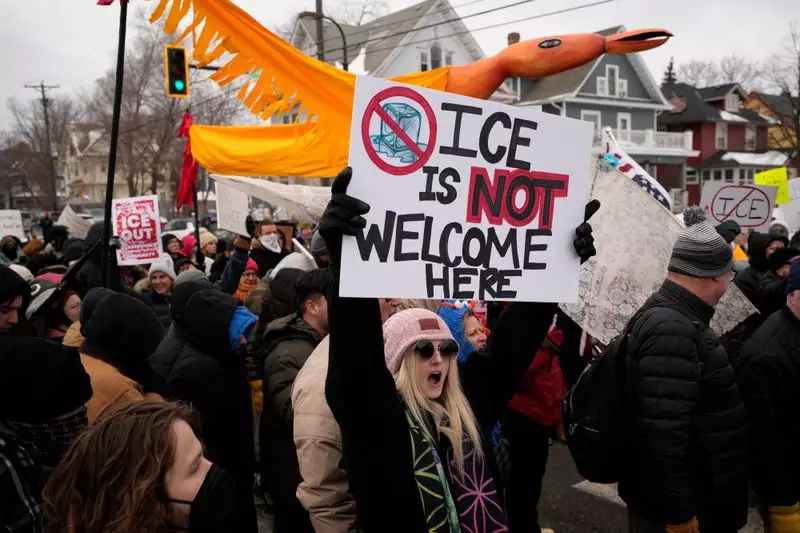
Tens of thousands of demonstrators flooded the streets of Minneapolis, Minnesota, in a powerful display of outrage following the fatal shooting of a man by agents from the US Immigration and Customs Enforcement (ICE). The massive protest, one of the largest in the city since the 2020 unrest over George Floyd's death, highlights renewed tensions over policing and immigration enforcement.
What Sparked the Massive Minneapolis Protest?
The protest was triggered by an incident that occurred on Thursday, May 2, 2024. According to official statements, agents from ICE's Enforcement and Removal Operations (ERO) were attempting to execute an arrest warrant for a 39-year-old man in the city's Whittier neighborhood. The situation escalated, leading to an agent discharging their firearm. The man, whose identity has not been publicly released by authorities, was shot and later pronounced dead at a local hospital.
Details surrounding the exact circumstances of the shooting remain under investigation by the Minnesota Bureau of Criminal Apprehension (BCA). ICE stated the individual was a citizen of Mexico and a previously convicted criminal alien. However, community activists and protestors have questioned the use of lethal force, demanding full transparency and accountability.

A City Revisits Trauma: The Scale of the Demonstration
By Saturday, May 4, the outcry had transformed into a major mobilization. Organizers estimated the crowd to be in the tens of thousands, a significant figure that underscores the deep-seated community anger. Protestors, carrying signs with messages like "Stop ICE" and "Justice for All," marched through the city, converging at the site of the shooting.
The protest remained largely peaceful, though it evoked memories of the widespread demonstrations that followed the killing of George Floyd nearly four years prior in the same city. This event has reopened conversations about law enforcement conduct, particularly concerning federal immigration agencies operating in local communities.
Official Responses and Ongoing Fallout
In the wake of the shooting, ICE has placed the involved agent on administrative leave, a standard procedure. The agency has pledged cooperation with the state's independent investigation being led by the BCA. Meanwhile, local political figures have weighed in, calling for a thorough and impartial review of the events.
The protest and the shooting incident have several immediate consequences:
- Renewed Scrutiny on ICE: The event has intensified national debate over the tactics and oversight of federal immigration enforcement operations within American cities.
- Community Distrust: It has further eroded trust between immigrant communities and federal authorities, with advocates calling for clearer limits on ICE's activities.
- Political Pressure: Local and state leaders are facing increased pressure to respond and potentially enact policies that limit collaboration with federal immigration enforcement.
As the BCA continues its investigation, the city of Minneapolis awaits answers. The massive turnout signals that the community is prepared to demand justice and systemic change, ensuring this incident does not fade from public attention without significant accountability and reform.