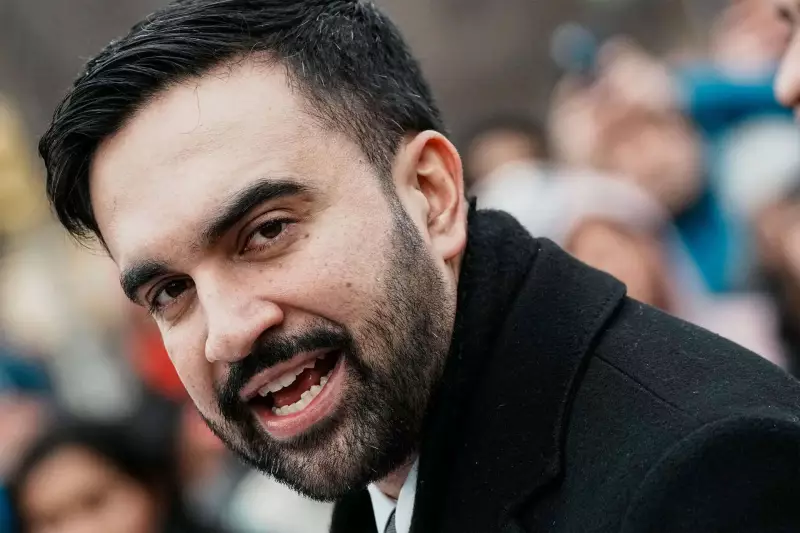
Zohran Mamdani is preparing to embark on a new term as Mayor of New York City, following a historic electoral victory that secured him the highest vote count for the position in six decades. His campaign, which powerfully resonated with working-class voters, has now transitioned into the monumental task of governing. He takes office at a critical juncture, with the city grappling with record-high living costs, signs of slowing economic growth, diminishing federal support, and intense budget pressures.
The Core Challenge: A City Struggling to Afford Itself
Housing stands as the most acute pressure point for New Yorkers' finances. Data from CNN indicates that more than half of a typical family's income is consumed by rent. On any given night, approximately 100,000 people depend on homeless shelters. The situation is particularly stark in Manhattan, where median monthly rents have now soared past the $5,400 mark. "This is what a full-blown affordability crisis looks like," stated Manhattan Borough President Mark Levine in a December report, capturing the widespread distress.
The strain extends far beyond housing. Nearly 1.4 million residents, equating to about 15% of the city's population, confront food insecurity. Childcare costs rank among the nation's highest, with U.S. Census Bureau figures revealing that a family needs an annual income of $334,000 to afford care for a two-year-old. The rising cost of daily essentials has pushed a significant portion of the populace into financial hardship.

Mamdani's Ambitious Agenda and the Fiscal Reality
At the heart of Mayor Mamdani's platform is a pledge to freeze rents in rent-stabilised apartments, a policy he has termed his "landmark" initiative. This move would impact nearly one million apartments, close to half of the city's rental housing stock. However, nonprofit housing providers and developers of subsidised units warn that existing revenues are already inadequate to cover operating costs. Data from the Community Preservation Corporation reveals a troubling gap: since 2020, expenses for rent-stabilised housing have jumped by 22%, while rents have increased by only about 11%. Experts caution this imbalance could lead to deteriorating building conditions as costs for insurance, labour, and utilities climb.
Alongside rent control, Mamdani has proposed building 200,000 permanently subsidised affordable homes for low- and moderate-income residents. Yet, the affordable housing sector is already under significant financial stress. A recent report from Enterprise Community Partners and National Equity Fund described the trends of rising costs and reduced income as "unsustainable," calling for emergency funding and state intervention to control insurance expenses.
The mayor's other key promises include free childcare for children aged six weeks to five years and eliminating fares on city-run buses. Funding these ambitious programmes hinges on securing state approval to raise taxes on high-income earners and corporations. New York Governor Kathy Hochul has already publicly opposed a completely free bus network, citing a potential $1 billion loss in fare revenue for the Metropolitan Transportation Authority.
Political Forces and Economic Crosscurrents
According to Columbia University historian Kim Phillips-Fein, Mamdani's ability to translate proposals into policy will rely heavily on sustained political pressure from his support base. His grassroots campaign has already motivated allies to form a nonprofit aimed at lobbying lawmakers in Albany. "People thought Mamdani’s election was impossible a year ago, but it was accomplished through significant political organizing," Phillips-Fein noted. His success as mayor "will depend upon an alignment of political forces and continued organizing."

The city's economic landscape presents a mixed picture. While opponents had warned of wealthy resident flight or a repeat of the 1970s fiscal collapse, Phillips-Fein told CNN such comparisons are "shallow," noting New York is not seeing population loss or a decline in manufacturing jobs. Employment and labour force participation remain at record highs, tax revenues are historically strong, and office leasing recovered to 97% of pre-pandemic levels in the first half of 2025.
However, momentum is slowing. The New York City Independent Budget Office's Sarah Parker projected the city will add 78,000 fewer jobs in 2025 than the previous year, with most gains in the low-wage home health sector. Furthermore, a daunting $6.5 billion budget shortfall is anticipated in 2027, with larger gaps forecast in subsequent years, painting what Parker calls "a pretty challenging fiscal picture."
Federal policy adds another layer of complexity. While Mamdani vows to pursue the most ambitious cost-of-living agenda since Fiorello La Guardia, the current federal administration has moved to cut key social programmes. State estimates suggest Republican-led policies could lead to 1.5 million New Yorkers losing health insurance, 300,000 households losing SNAP benefits, $13 billion in healthcare cuts, and 200,000 job losses. City Comptroller Brad Lander, in a December report cited by CNN, described tariffs, immigration restrictions, and reduced federal spending as creating a "challenging climate for cities like New York." This is underscored by the withholding of $18 billion in federal funding for NYC transit projects.
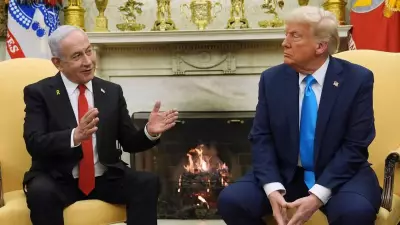
Despite these formidable headwinds, Mayor Mamdani has expressed confidence. Following a November meeting with President Donald Trump at the White House, he stated, "I’m really looking forward to delivering for New Yorkers in partnership with the president on the affordability agenda." The coming years will test whether that optimism can be forged into tangible relief for a city in the grip of an affordability crisis.