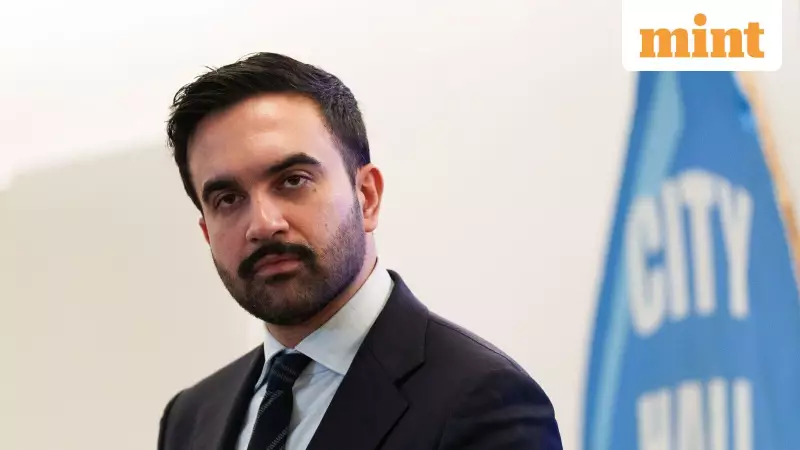
New York City's mayor-elect, Zohran Mamdani, has publicly defended a Palestinian student at Brown University who became the target of a vicious online smear campaign. Mustapha Kharbouch was falsely accused of involvement in a horrific December shooting at the university, leading to severe harassment and threats.
How Online Conspiracy Spiraled into Real-World Threats
The ordeal began in early December after a tragic shooting at Brown University on December 13. The gunman, 48-year-old Claudio Neves Valente, entered an academic building and opened fire during a study session. The attack killed two people—18-year-old freshman MukhammadAziz Umurzokov and another student—and injured nine others. Two days later, Valente also fatally shot MIT professor Nuno F.G. Loureiro at his Boston-area home before being found dead from suicide in a New Hampshire storage facility on December 16.
Despite the actual perpetrator's identity being established, a dangerous wave of misinformation targeted Mustapha Kharbouch. An anonymous account on the social media platform X posted photos and videos of Kharbouch next to the police-released footage of the person of interest. This false connection spread rapidly.

Right-wing podcaster Tim Pool, billionaire Bill Ackman, and US Assistant Attorney General Harmeet Dhillon were among prominent figures who amplified the baseless claims. Kharbouch's image and email were plastered across the internet, leading to intense doxxing, relentless death threats, and deportation demands. Online sleuths focused on his pro-Palestinian activism and incorrectly compared his appearance to the suspect.
A Student's Nightmare and a Leader's Support
In a statement shared with AFP by his legal team, Kharbouch described the past few days as "an unimaginable nightmare." He stated, "I woke up on Tuesday morning to unfounded, vile, Islamophobic, and anti-Palestinian accusations being directed toward me online." He endured non-stop hate speech and threats to his life.
His legal team confirmed full cooperation with law enforcement and denounced the campaign as "disturbing, racist, and hateful," noting it also served as a distraction to the actual investigation. A law enforcement official involved told AFP that Kharbouch was never a person of interest.
Stepping into the fray, Zohran Mamdani strongly condemned the Islamophobic and anti-Palestinian disinformation. He highlighted the episode as a stark example of the real-world harm caused by such racism. Mamdani revealed he spoke with Kharbouch, learning about his academic pursuits in international relations and anthropology, his summer internship in Sunnyside, and his Palestinian heritage—the very identity he was attacked for.
"I told Mustapha that we would love to have him back in New York City, where — as Mayor — I will make it my job to cherish, protect, and celebrate all New Yorkers and combat Islamophobia and anti-Palestinian racism at every corner," Mamdani stated.
The Broader Call for Accountability
This incident underscores the dangerous consequences of unchecked online disinformation, particularly when it targets marginalized communities. Mamdani's intervention brings significant political weight to the issue, calling for greater accountability on social media platforms and stronger protections for those targeted by digital hate mobs.
The case of Mustapha Kharbouch is a chilling reminder of how quickly false narratives can escalate, causing profound personal trauma. As Mamdani emphasized, no person should endure such threats simply because of their identity. The focus now shifts to how institutions and leaders will confront this growing challenge to public safety and social cohesion.