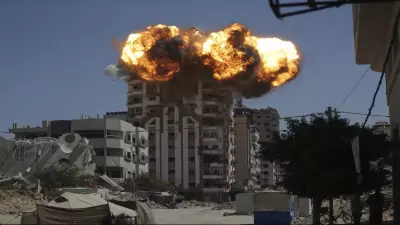
In a dramatic move that has sent shockwaves across the globe, United States forces on Saturday, January 3, 2026, captured Venezuelan President Nicolás Maduro and his wife, launching large-scale strikes on the country. President Donald Trump announced the action, which is based on accusations of drug trafficking and collaboration with designated terrorist gangs.
A Historical Precedent: The Noriega Playbook
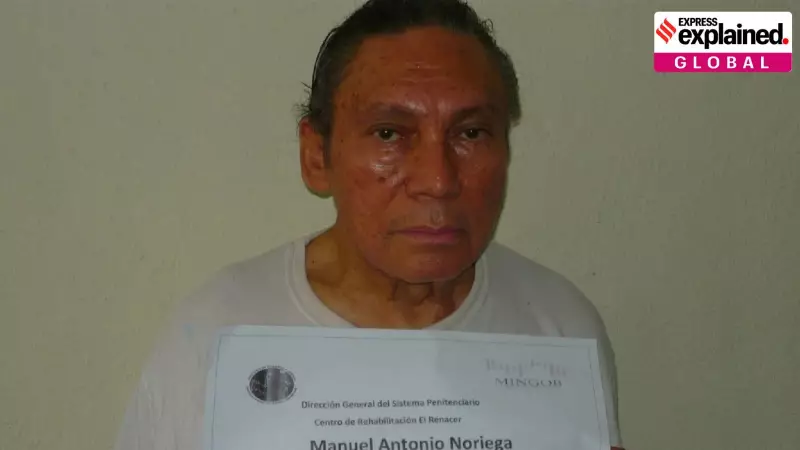
This bold intervention, however, is not without a striking historical parallel. Nearly 36 years ago, in December 1989, the US invaded Panama to capture its de facto ruler, General Manuel Antonio Noriega, on similar charges of narcotics trafficking. The operation, codenamed 'Just Cause', saw 26,000 US troops overwhelm Panamanian defenses, leading to Noriega's surrender on January 3, 1990. He was later tried, convicted, and spent nearly two decades in US prisons before his death in 2017 at age 83.
The case of Maduro mirrors Noriega's in its legal foundation. The US State Department had previously indicted Maduro in 2020 on corruption and drug trafficking charges, offering a $50 million reward for information leading to his arrest. Noriega was indicted by a US federal court in 1988 on drug-trafficking charges after years of collaboration turned to hostility.

From CIA Asset to 'Maximum Leader'
Manuel Noriega's story is a classic tale of a friend turned foe. Rising through the ranks under military leader Omar Torrijos, Noriega was on the CIA's payroll by 1970. He was a valuable asset for Washington, helping curb communism in Central America, allowing US listening posts in Panama, and playing a key role in the Iran-Contra affair.
However, his simultaneous dealings with Colombian drug cartels, including Pablo Escobar, for which he received millions in kickbacks, eventually made him a liability. After annulling a 1989 presidential election and having Panama's National Assembly declare a "state of war" with the US, tensions boiled over. The killing of a US marine in Panama City provided the final trigger for President George H.W. Bush to order the invasion.
Psychological Warfare and a Surrender to Rock Music
The manhunt for Noriega contained one of the most unconventional chapters in modern military history. After his forces were crushed, Noriega fled and sought refuge in the Vatican Embassy in Panama City. Respecting diplomatic protocol, US troops surrounded the embassy but did not enter.
Instead, they deployed psychological warfare, or 'psyops'. They set up loudspeakers around the embassy perimeter and blasted a relentless playlist of rock and heavy metal music. For days, Noriega was subjected to songs like Van Halen's "Panama," Public Enemy's "Fight the Power," and Kenny Loggins' "Danger Zone." This auditory siege, combined with immense pressure, worked. On January 3, 1990, Noriega surrendered and was taken to Miami for trial.
The parallels with today are undeniable. Both actions involved US military intervention in a Latin American nation to apprehend a sitting leader on drug charges. Both leaders were once tolerated for strategic reasons before becoming primary targets. As the world reacts to the capture of Nicolás Maduro, the ghost of Manuel Noriega and the echoes of Operation Just Cause serve as a potent reminder that in geopolitics, history often finds a way to repeat itself.