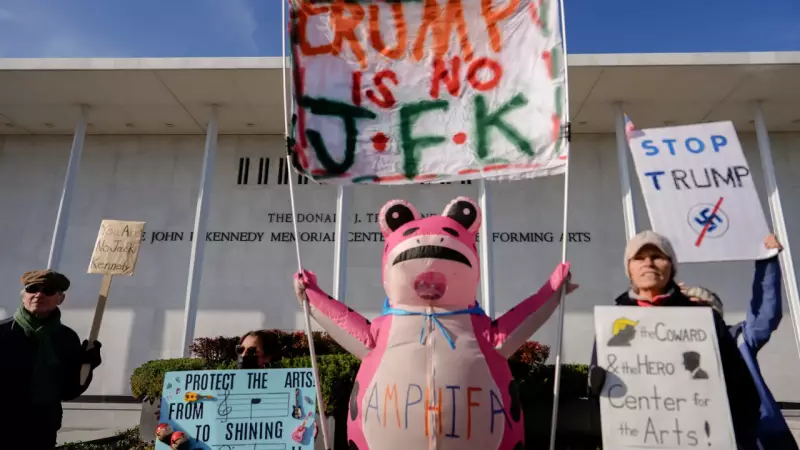
A fresh wave of artist cancellations has swept through the Kennedy Center in Washington D.C., following a controversial decision by its board to rename the iconic performing arts venue. The move to add former US President Donald Trump's name to the institution has ignited a fierce political and cultural debate, leading several performers to withdraw in protest.
Artists Take a Stand Against Renaming
The latest act to pull out is the veteran jazz ensemble, The Cookers, which canceled its two scheduled New Year's Eve performances. In a powerful statement, the group connected their decision to the foundational values of jazz music. They stated that jazz was born from a struggle for freedom—freedom of thought, expression, and voice. The artists expressed that their decades-long history in the music shapes their stance today.
The Cookers emphasized their desire to perform in a space that celebrates the "full presence of the music and everyone in it." They reaffirmed their commitment to creating music that bridges divides rather than deepening them, implicitly suggesting the renamed venue contradicts this principle.

This cancellation is not an isolated incident. It adds to a growing list of artists distancing themselves from the center since its board voted to change the name to The Donald J. Trump and The John F. Kennedy Memorial Center for the Performing Arts, often shortened to the Trump Kennedy Center. Last week, jazz musician Chuck Redd canceled a Christmas Eve concert. Furthermore, the New York-based dance company Doug Varone and Dancers withdrew from two performances slated for April, declaring they could no longer ask their audiences to enter "this once great institution."
Political Firestorm and Board Reshuffle
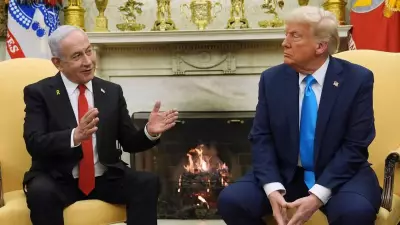
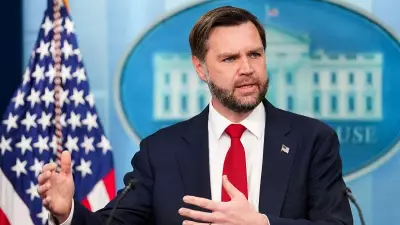
The renaming proposal was reportedly initiated by Sergio Gor, the former White House personnel director and current US Ambassador to India. He raised the idea at a board meeting dominated by Trump allies. The current board composition reflects a significant shift, featuring figures like second lady Usha Vance, Allison Lutnick (wife of Commerce Secretary Howard Lutnick), Trump's chief of staff Susie Wiles, and Fox News hosts Laura Ingraham and Maria Bartiromo.
This follows a major overhaul earlier this year, where board members appointed under the previous Biden administration were removed. Subsequently, Donald Trump was elected as the chairman of the board, solidifying the institution's new direction.
The center's president, Richard Grenell, a longtime Trump ally, dismissed the artist withdrawals as politically motivated. He labeled the boycotts a "form of derangement syndrome" and noted that the canceling artists were booked under the previous leadership. Grenell argued that the last-minute cancellations prove these performers were "always unwilling to perform for everyone — even those they disagree with politically."
Legacy, Legal Challenges, and Cultural Reckoning
The backlash extends beyond the artistic community. Members of the Kennedy family have criticized the renaming, arguing it undermines the legacy of the late President John F. Kennedy. Simultaneously, Democratic politicians have called the move illegal. The Kennedy Center was designated by the US Congress in 1964 as a living memorial to President Kennedy, and legal experts contend that any permanent name change would require congressional approval, which has not been sought.
The protest also carries a potent cultural dimension. Saxophonist Billy Harper of The Cookers was quoted saying he "would never even consider performing in a venue bearing a name (and being controlled by the kind of board) that represents overt racism and deliberate destruction of African American music and culture." This statement highlights a deeper grievance about the perceived values associated with the new name and governance.
The controversy now pits the board's vision for the center against the principles of a segment of the artistic community it is meant to host. It raises fundamental questions about the intersection of politics, culture, and legacy at one of America's most prominent arts institutions, with the fallout likely to continue as more performance dates approach.