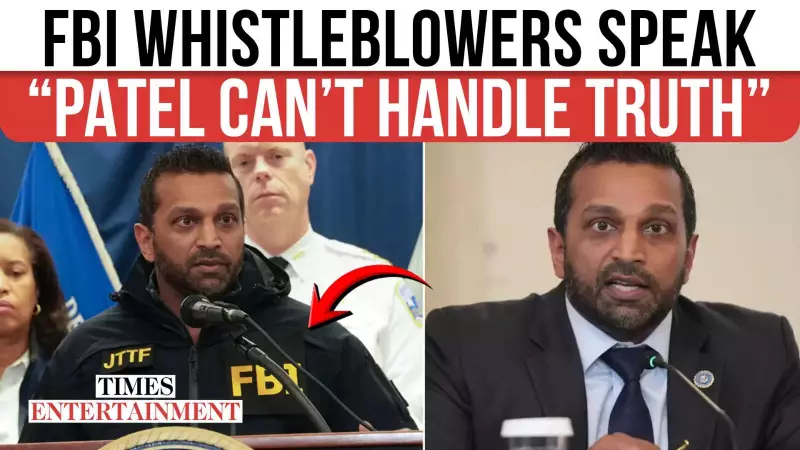
Washington D.C. is buzzing with speculation following explosive reports of internal dissent within the Federal Bureau of Investigation (FBI), allegedly linked to the leadership involvement of Kash Patel. According to informed sources, a secret rebellion is simmering, raising profound questions about transparency and procedure within one of America's most sensitive intelligence agencies.
Allegations of Friction and Silenced Dissent
The core of the controversy revolves around Kash Patel's role in sensitive federal matters. Insiders suggest that his leadership approach has sparked significant friction, leading to what some describe as a stifling of dissenting voices. Analysts and commentators note that this situation points to a deeper conflict concerning oversight mechanisms and procedural consistency.
While no official statement has been released to confirm or deny the extent of these strains, the conversation among Washington circles continues to intensify. The lack of a formal response has only fueled further speculation about the nature and severity of the reported disagreements.

Broader Systemic Questions Emerge
Experts are now examining whether the concerns surrounding Patel signal isolated, episodic disagreements or point to a broader systemic challenge within the U.S. intelligence framework. Key issues under scrutiny include the effectiveness of inter-agency collaboration and the safeguards in place to ensure diverse viewpoints are heard on critical national security issues.
The discussion, which gained traction on December 2, 2025, highlights a critical moment for federal agencies. The central question remains: are internal checks and balances functioning as intended, or are voices being buried under the weight of leadership dynamics?
What This Means for Governance and Oversight
The ongoing saga underscores the perennial tension between decisive leadership and inclusive decision-making in high-stakes environments. The allegations, if proven true, could have significant implications for public trust in federal institutions and their operational integrity.
As the story evolves without official clarification, observers are left to ponder the potential consequences for policy execution and national security. The situation with Kash Patel serves as a potent reminder of the complex dynamics that govern America's intelligence community and the continuous need for robust, transparent oversight.