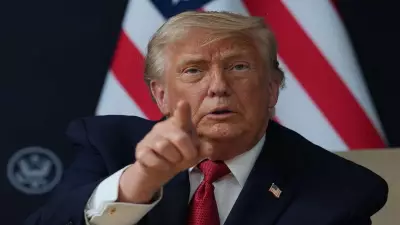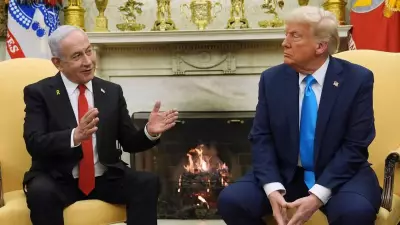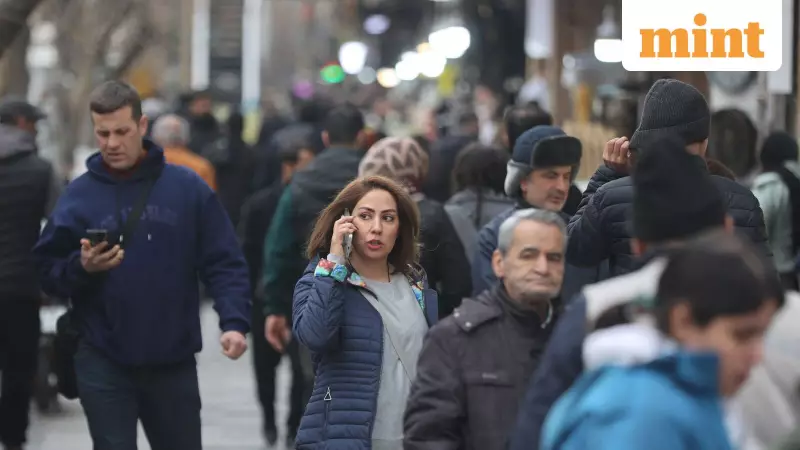
The United States made a significant announcement on Thursday, January 15. Officials stated that Iran halted the planned execution of 800 protesters. This action followed direct pressure from President Donald Trump.
White House Confirms Halt in Executions
White House Press Secretary Karoline Leavitt addressed reporters with clear information. She confirmed that Iranian authorities stopped executions scheduled for Wednesday. Leavitt attributed this decision to warnings from President Trump.
"The president understands today that 800 executions that were scheduled and supposed to take place yesterday were halted," Leavitt stated firmly. She emphasized that Trump warned Tehran of "grave consequences" if the killing of demonstrators continued.

President Trump later expressed his reaction on Truth Social. He wrote a brief but positive message: "This is good news. Hopefully, it will continue!"
Military Options Remain Open
While the White House indicated a step back from immediate military action, officials stressed an important point. The option for military response remains available if Iran resumes executions.
"All options remain on the table for the president," the White House declared clearly. This statement maintains pressure on Iranian authorities despite the current de-escalation.
Gulf States Engage in Urgent Diplomacy
Behind the scenes, Gulf allies worked diligently to prevent potential military conflict. Saudi Arabia, Qatar and Oman led an urgent diplomatic effort. Their goal was to dissuade President Trump from launching military strikes against Iran.
A senior Saudi official explained the situation anonymously. "The trio led a long, frantic, diplomatic last-minute effort to convince President Trump to give Iran a chance to show good intention," the official revealed.
A second Gulf official confirmed additional warnings. Iran received clear messages that any attack on US facilities in the region "would have consequences." Saudi Arabia also informed Tehran it would not permit use of its airspace or territory for attacks.
New US Sanctions Announced
The US Treasury Department announced fresh sanctions on Thursday. These new restrictions target Iranian officials directly. They add to existing sweeping sanctions over Tehran's nuclear programme.
These economic measures have contributed significantly to Iran's financial strain. Many analysts believe they have helped fuel public anger and protest movements within the country.
Protest Death Toll Continues to Rise
Norway-based Iran Human Rights provided sobering statistics. The organization reported that Iranian security forces killed at least 3,428 protesters. IHR warned that the final death toll will likely be much higher.
This information continues to emerge despite a week-long internet blackout imposed by Iranian authorities. The government has described demonstrators as "rioters" backed by the US and Israel.
Iranian officials have vowed fast-track justice for protesters. This promise has raised serious concerns among human rights groups about potential mass executions.
Iranian Officials Seek to Calm Tensions
Iranian Foreign Minister Abbas Araghchi attempted to reduce tensions through media statements. He told Fox News directly: "There will be no hanging today or tomorrow."
Iran's judiciary later clarified the situation regarding one prominent case. Erfan Soltani, a 26-year-old protester whose potential execution drew international attention, had not received a death sentence. Instead, he faces charges that could result in imprisonment.
Diplomatic Channels Remain Active
Switzerland, which represents US interests in Iran, reported ongoing communication. Iranian security chief Ali Larijani spoke with a senior Swiss diplomat on Wednesday. Bern offered to help "de-escalate the current situation."
These developments occurred ahead of a UN Security Council meeting on Iran. The United States requested this important diplomatic gathering.

Protests Continue Despite Crackdown
Despite the communications blackout, protests persist across Iran. AFP verified videos showing disturbing scenes. These include bodies at a morgue south of Tehran and funeral gatherings where mourners chanted slogans against Supreme Leader Ayatollah Ali Khamenei.
The situation remains fluid and tense. International observers continue monitoring developments closely as diplomatic efforts continue on multiple fronts.