Heartbreaking Story of Indian Student Missing Sister's Wedding Due to US Visa Delays Goes Viral
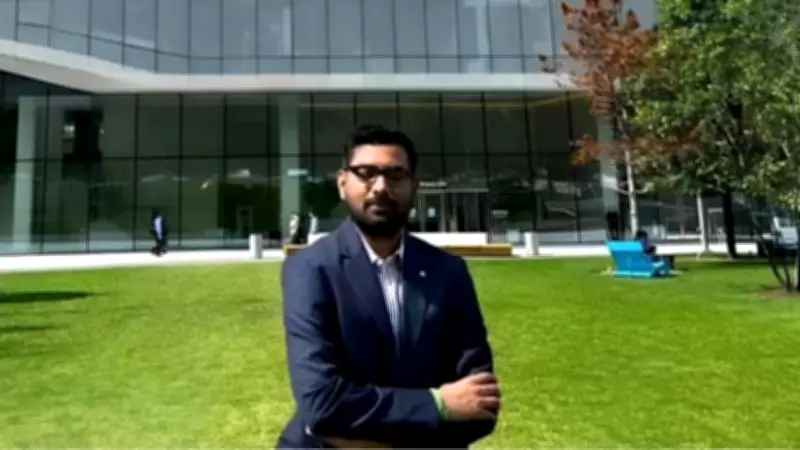
A profoundly personal narrative about Rajeev Krishna Annapragada has captured global attention, dramatically illustrating the human toll of bureaucratic visa delays within the United States immigration system. Rajeev, a visually impaired Indian student who relocated to the US to pursue his education at the prestigious Columbia Business School, was tragically prevented from attending his only sister's wedding in India because he could not secure an available H-1B visa appointment.
Emotional Sacrifice Behind Missed Family Milestone
According to the viral account originating from a conference in New York, Rajeev had established his professional life in America after completing his MBA. He was working diligently in Seattle while simultaneously managing the repayment of substantial student loans. Back in his homeland, his sister, who also lives with visual impairment, was preparing for her marriage ceremony.
With their father deceased, this family occasion carried extraordinary emotional weight and significance. Rajeev desperately hoped to return home to support his family during this pivotal life moment. Despite reportedly contacting multiple consulates, public officials, and various channels seeking assistance, he could not obtain a visa appointment in time. Consequently, he missed the wedding entirely, creating a permanent void in his family memories.

Remarkable Journey of Perseverance and Achievement
Rajeev's story resonates particularly powerfully due to the immense challenges he has overcome throughout his life. He reportedly lost approximately 95 percent of his eyesight at just twelve years old due to a degenerative medical condition. Undeterred by this disability, he reconstructed his entire learning methodology using adaptive techniques and strategies.
His determination propelled him to secure admission to Columbia Business School, one of the world's most elite educational institutions. This journey from India to an Ivy League MBA represents years of unwavering perseverance and resilience. Following graduation, he began building his career in the United States, balancing professional advancement with the financial pressures of student loan repayment.
The Systemic H-1B Visa Challenge
The situation Rajeev encountered reflects a widespread systemic problem rather than an isolated incident. The H-1B visa program permits skilled foreign professionals to live and work in the United States, but international travel often requires visa stamping at a US consulate before re-entry authorization.
This process depends entirely on securing appointment slots, which have become increasingly scarce due to overwhelming demand and limited availability, especially for applicants from India. In numerous cases, individuals risk being unable to return to their employment positions if they depart the US without confirmed appointments.
This creates an impossible dilemma between attending crucial personal events and maintaining legal immigration status alongside professional stability. For Rajeev, the absence of available visa appointments meant that traveling to India involved substantial uncertainty. Without a guaranteed slot, he risked becoming stranded outside America and potentially losing his job. Confronted with this reality, he made the painful decision to remain in the US, ultimately sacrificing a once-in-a-lifetime family celebration.
Widespread Reactions and Immigration Reform Debates
The story has generated powerful emotional responses across digital platforms. Many have expressed deep empathy, highlighting the psychological burden created by immigration backlogs and the profound sacrifices made by international students and professionals.
Simultaneously, the narrative has ignited broader policy discussions, with some commentators questioning America's reliance on H-1B visas while others advocate for comprehensive systemic reforms. Proposed solutions include improving appointment availability, implementing more flexible travel policies, and addressing backlog issues through more efficient administrative processes.

Rajeev's experience mirrors the broader challenges confronting thousands of professionals navigating the complex US immigration framework. Visa delays and administrative bottlenecks can disrupt not only career trajectories but also deeply personal moments that cannot be rescheduled or reclaimed.
For countless individuals, the current system forces impossible choices between professional obligations and family responsibilities, often without viable alternatives or satisfactory resolutions.