Indian-American Attorney Takes Legal Stand Against Trump's Birthright Citizenship Order
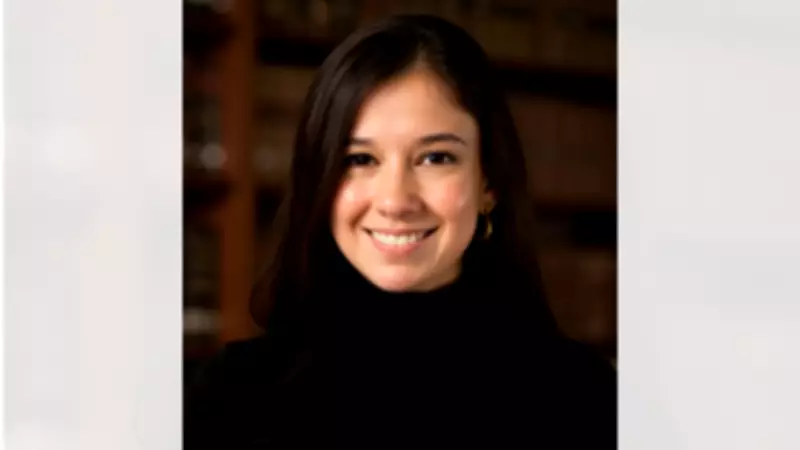
In a significant legal development, an Indian-American attorney has initiated a challenge against a controversial executive order issued by former President Donald Trump concerning birthright citizenship in the United States. This move underscores ongoing debates over immigration policy and constitutional rights in America.
The Core of the Legal Challenge
The attorney, whose identity has been highlighted in recent reports, argues that Trump's order directly contravenes the 14th Amendment of the U.S. Constitution. This amendment, ratified in 1868, explicitly grants citizenship to "all persons born or naturalized in the United States," a principle known as birthright citizenship or jus soli.
The executive order in question aimed to reinterpret or restrict this right, particularly for children of undocumented immigrants or non-citizens. Proponents of the order claimed it was necessary to curb illegal immigration and protect national sovereignty. However, critics, including the Indian-American attorney, assert that such measures are unconstitutional and could set a dangerous precedent for immigrant communities.

Implications for Immigrant Rights and US Policy
This legal challenge is not just a theoretical debate; it has real-world consequences for millions of people. Birthright citizenship has long been a cornerstone of American immigration law, providing a pathway to citizenship for generations of immigrants. By contesting Trump's order, the attorney is advocating for the preservation of this right, which could affect:
- Children born to undocumented parents, who might otherwise face statelessness or deportation risks.
- Legal immigrants and their families, whose status and rights could be undermined by policy shifts.
- Broader immigration reforms, as this case may influence future legislative or executive actions.
The attorney's background as an Indian-American adds a personal dimension to the fight, reflecting the diverse voices in the U.S. legal system and the global nature of immigration issues. Indian-Americans have been increasingly active in political and legal spheres, and this case exemplifies their role in shaping policy debates.
Historical and Legal Context
Birthright citizenship has been a contentious topic in U.S. politics for decades, with periodic efforts to amend or reinterpret the 14th Amendment. Trump's order was part of a broader agenda to tighten immigration controls, but it faced immediate legal scrutiny. Previous court rulings have generally upheld birthright citizenship, making this challenge a critical test of constitutional fidelity.
Legal experts note that overturning such an order would require demonstrating a clear violation of established law, which the attorney aims to do through detailed arguments and evidence. The outcome could set a precedent for how executive power is exercised in immigration matters, potentially impacting not just current policies but also future administrations.
As the case progresses, it is likely to attract attention from advocacy groups, policymakers, and the public, highlighting the ongoing struggle between executive authority and constitutional safeguards in the realm of immigration.