The Indian and United States navies have reached a significant agreement to substantially expand their joint military exercises while incorporating cutting-edge technologies and new operational domains into their cooperative framework. This strategic enhancement comes as both nations seek to strengthen their maritime partnership in the increasingly important Indo-Pacific region.
Expanding Military Cooperation
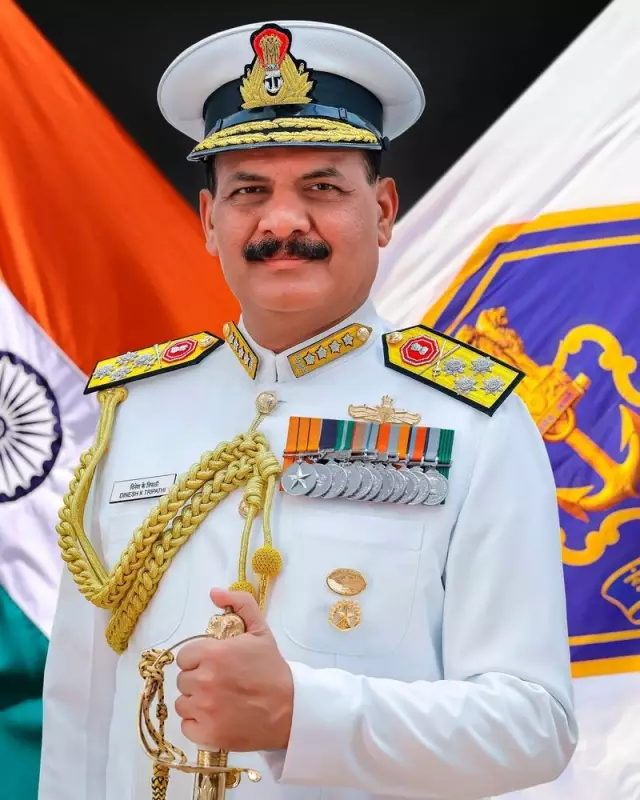
During the recent Indo-Pacific Command (INDOPACOM) conference held in New Delhi, senior naval officials from both countries finalized plans to scale up their collaborative exercises. The agreement represents a major step forward in defense cooperation between the world's largest and oldest democracies. This development occurs amid growing regional security challenges and the need for like-minded nations to work together in maintaining maritime stability.
The expanded partnership will see increased complexity and frequency of joint drills, with particular emphasis on integrating emerging technologies that are reshaping modern warfare. Both navies recognize that future security challenges will require sophisticated technological solutions and seamless interoperability between partner forces.

Embracing New Age Defense Domains
A key aspect of the enhanced cooperation involves incorporating artificial intelligence and other disruptive technologies into joint exercises. This forward-looking approach acknowledges that contemporary naval operations extend far beyond traditional warfare domains. The integration of AI systems will help both navies improve their decision-making processes, enhance surveillance capabilities, and optimize resource deployment during complex operations.
The collaboration will also focus on developing protocols for operating in new battle spaces that have emerged in recent years. This includes cyber warfare capabilities, electronic warfare systems, and space-based surveillance technologies that have become integral to modern naval operations. By working together in these advanced domains, both navies aim to create a more comprehensive security framework for the Indo-Pacific region.
Strengthening Indo-Pacific Security Architecture
The decision to expand naval exercises reflects the shared commitment of India and the United States to maintaining a free, open, and rules-based Indo-Pacific region. This enhanced military cooperation serves as a tangible demonstration of both nations' dedication to regional stability and security. The timing of this agreement is particularly significant given the evolving geopolitical landscape and increasing maritime challenges in the strategically vital waters.
Regular and increasingly sophisticated joint exercises will enable both navies to develop better communication protocols, standard operating procedures, and tactical coordination. This improved interoperability ensures that Indian and US naval forces can respond more effectively to emerging security threats, humanitarian crises, and natural disasters throughout the region.
The expanded partnership represents a natural evolution of the growing strategic alignment between India and the United States. Over the past decade, defense cooperation between the two nations has deepened significantly, with the US designating India as a Major Defense Partner in 2016. This latest agreement builds upon that foundation and takes the relationship to new heights of operational integration.
As both navies prepare to implement these enhanced exercises, defense analysts anticipate seeing more complex scenarios that simulate real-world challenges. These may include anti-submarine warfare exercises, integrated air defense operations, and coordinated responses to unconventional threats. The inclusion of artificial intelligence and other emerging technologies will likely make these drills among the most advanced bilateral exercises conducted by either navy.