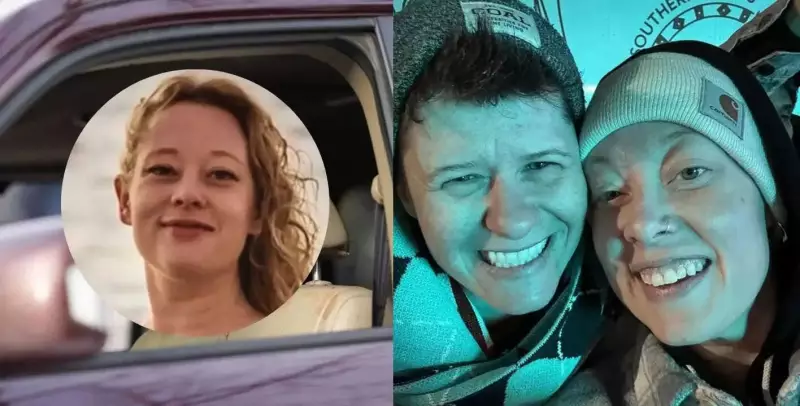
The fatal shooting of a Minnesota mother during an immigration enforcement operation has triggered widespread protests and a heated political debate, but also a contentious argument about media narrative and victim portrayal.
The Incident and Immediate Fallout
Renee Nicole Good, a 37-year-old mother of three, was killed by an agent from U.S. Immigration and Customs Enforcement (ICE) during an operation in Minneapolis. The tragic incident quickly became a flashpoint, drawing public outrage and demands for accountability. However, parallel to the investigation, a significant controversy erupted over how certain media outlets, particularly those aligned with conservative and pro-Trump viewpoints, chose to frame the story.
Media Focus on Identity and Background
In the days following the shooting, prominent outlets like Fox News and the New York Post dedicated considerable attention to Good's personal life, activism, and identity. Critics argue this editorial choice deliberately shifted public focus away from the critical circumstances of the shooting itself and towards a broader culture-war narrative.

On Fox News, host Jesse Watters specifically highlighted that Good had "pronouns in her bio" and a "lesbian partner." These remarks, which circulated rapidly online, were condemned by media commentators who alleged the details were used to cue audience bias and blunt outrage, rather than to inform about the use of lethal force.
The debate intensified when Fox & Friends aired a segment promoting a New York Post article. The article described Good as having been "gradually radicalised" after moving to Minneapolis and linked her community activism to her children attending a charter school with a social-justice focus. During the broadcast, hosts referenced the Post's portrayal of Good as an "ICE warrior," a label that drew sharp criticism online.
Social Media Backlash and Broader Implications
A wave of criticism swept across social media platforms. Users and media watchdog accounts accused conservative outlets of vilifying the victim posthumously instead of scrutinising the actions of the federal agents involved. Commentators pointed out a perceived pattern: when law enforcement actions face scrutiny, coverage often pivots to the victim's beliefs, lifestyle, or associations.
Legal and political analyst Warren Kinsella, among others, reposted clips of the coverage, criticising what they saw as an attempt to reframe public sympathy by emphasising ideology over factual circumstances. The discussion, as noted by commentator Piyush Mittal, swiftly moved from questions about the justified use of force to debates about activism, schooling, and identity.
Media analysts emphasize that such framing choices can profoundly influence how audiences interpret incidents involving state violence. By foregrounding a victim's political identity or activism, the event can be implicitly recast as an ideological conflict, potentially diverting attention from core questions of law enforcement conduct and accountability.
The investigation into the shooting of Renee Nicole Good remains ongoing. However, the parallel debate over media framing underscores how incidents involving immigration enforcement and lethal force instantly become battlegrounds in the U.S. culture wars. Social media now serves as a real-time forum for challenging the narratives constructed by powerful media outlets. For many critics, the central issue is not Good's personal beliefs but whether those details should dominate the coverage of her fatal encounter with federal law enforcement.