An immigration policy expert has voiced significant concerns that American workers are increasingly being displaced from employment opportunities in key sectors like construction due to the current implementation and wage structures of the H-2B visa program. Rosemary Jenks, the policy director at the Immigration Accountability Project, highlighted these issues in a recent video shared on social media platform X, associated with Steve Bannon's Warroom account.
Families Feeling Left Behind by the System
Jenks recounted poignant conversations with families who feel marginalized by the existing immigration framework. "I spent the morning talking to moms who put their kids through trade school so they could get construction jobs and they're being denied work," she stated. She emphasized that the wages offered to H-2B visa holders are alarmingly low, often falling below sustainable living standards in the United States.
Wage Levels Deemed Insufficient for American Living
According to Jenks, "H-2B employers are paying $9 or $11 an hour, even $15 for construction jobs. You can't live in America on those wages." This wage disparity, she argues, creates a scenario where cheap foreign labor undercuts local workers, making it difficult for Americans to secure employment in these industries.

Impact on Local Employment and Wage Dynamics
Jenks explained that the low wages associated with some H-2B employers directly hinder the ability of American workers to compete for jobs. She contended that reducing the influx of inexpensive foreign labor would compel companies to increase wages to attract domestic workers. "These companies are going to have to raise their wages to recruit Americans. And that's exactly what should happen," she asserted, advocating for a shift towards higher pay standards.
Understanding the H-2B Visa Program
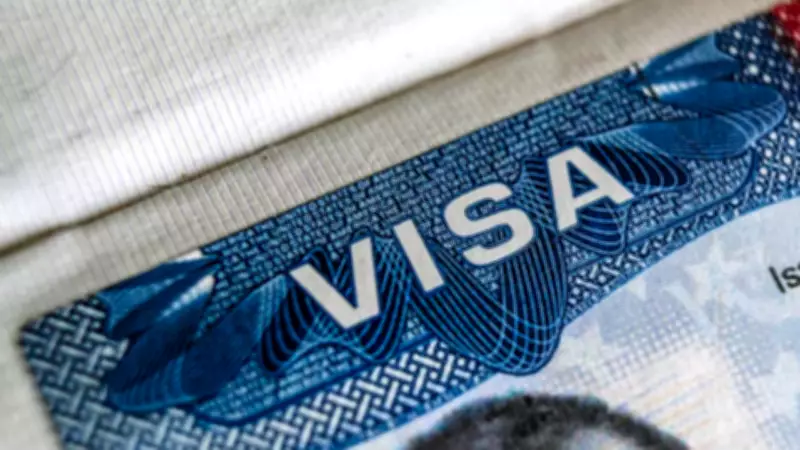
The H-2B visa is a non-immigrant work permit that allows U.S. employers to hire foreign nationals for temporary, non-agricultural positions when there is a shortage of available American workers. This program is frequently utilized in various industries, including:
- Hospitality and tourism
- Landscaping and construction
- Seafood processing
Annually, the program is capped at 66,000 visas, distributed across two segments of the fiscal year, though Congress has the authority to authorize additional visas as needed. H-2B workers can remain in the United States for a maximum period of three years, with employers required to pay prevailing wages and cover specific costs for these workers.
Expert Background and Additional Visa Announcements
Rosemary Jenks is a seasoned commentator on immigration policy and co-founder of the Immigration Accountability Project, with extensive experience at organizations such as NumbersUSA and the Center for Immigration Studies. In related developments, the administration of former U.S. President Donald Trump announced plans to add approximately 65,000 H-2B seasonal guest worker visas through September 30, as per a Federal Register notice. These additional visas are intended for employers facing severe financial hardship due to a lack of available U.S. labor, according to Reuters reports.