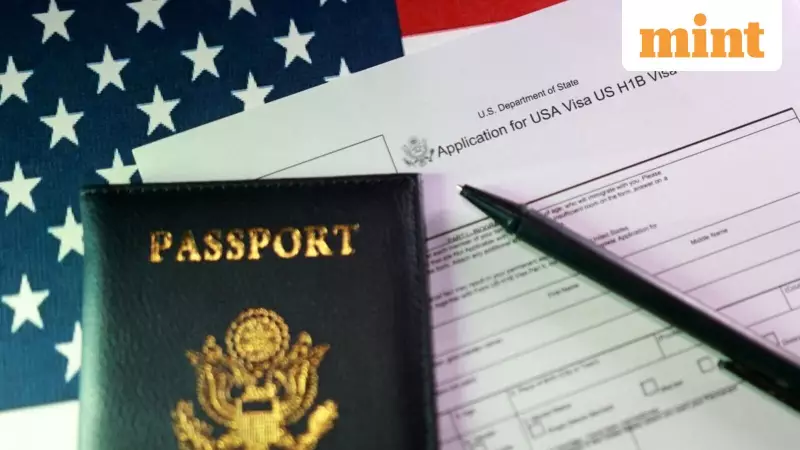
H-1B Visa $100,000 Fee: A Layoff Dilemma Unpacked
The hefty $100,000 fee for an H-1B visa has caused widespread confusion since its introduction. A recent Reddit post highlighted a common concern among professionals. A user shared their situation. Their H-1B was approved in 2024. They entered the United States in January 2025. Unfortunately, they faced a layoff in August 2025. The individual then returned to India. Now, they have secured another job offer with a start date in January 2026. Their pressing question was simple. Would the massive $100,000 fee apply to their new petition?
Understanding the H-1B Fee Rules
Before exploring the specific case, we must grasp the basic rules. The H-1B visa fee requirement started on September 21, 2025. It applies to new H-1B petitions filed on or after that date. The fee targets beneficiaries who are outside the United States and do not have a valid H-1B stay. It is a one-time fee per petition, paid by the employer. The visa itself is valid for three years initially. It can be extended for another three years, totaling six years.
Several groups are exempt from this fee. The $100,000 charge does not apply to every job switch. Exemptions include:

- Existing H-1B holders within the US.
- Individuals transitioning from an F-1 student visa.
- Petitions filed before September 21, 2025.
- Beneficiaries receiving approval for a change of status, amendment, or extension filed on or after that date.
The Attorney's Perspective on Layoffs and Fees
We consulted an immigration attorney for clarity. Ana Gabriela Urizar, a senior attorney at Manifest Law, provided insights. She explained the scenario. When a person is laid off, their work authorization ends. This triggers a mandatory 60-day grace period. They must find a new sponsor, change status, or depart the US within this window.
Urizar stated the $100,000 fee would likely apply in the Redditor's case. The individual is outside the United States. The new H-1B petition is not requesting a change of status or an extension from within the country. The USCIS proclamation clearly applies to petitions filed on or after September 21, 2025. It covers requests for consular notification, port-of-entry notification, or pre-flight inspection. Most cases involving workers abroad fall into this category.
"Unless the individual has a previously issued and currently valid H-1B visa, the petition would generally fall within the scope of the Proclamation and trigger the $100,000 fee," Urizar said.
She addressed another point. What if the laid-off person has a valid visa stamp? "If the person is outside of the USA, has a new job and a valid visa stamp, you can’t file an extension or amendment with a change of status. You don’t have status because you are not in the USA, so you can’t change status because you have no status," Urizar explained.
What AI Tools Suggest About the Fee
We also asked popular AI models for their analysis. ChatGPT responded to the Redditor's question directly. It concluded, "Yes, your new employer will most likely be subject to the $100,000 fee when filing your H-1B petition from India and requesting consular processing." The AI tool emphasized consulting an experienced US immigration attorney before making final decisions.
ChatGPT outlined reasons why the fee likely applies:
- You left the US after your layoff and are currently in India.
- Your previous H-1B status lapsed due to the layoff and expired grace period.
- Your new employer must file a fresh H-1B petition, likely with consular processing.
- This petition will be filed after September 21, 2025, and you are outside the US, making it subject to the fee.
Gemini issued a critical warning on the topic. It advised individuals not to travel outside the US while a transfer is pending. "If you leave, your 'Change of Status' may be considered abandoned, and you would be forced to re-enter via a consulate, which would trigger the $100,000 fee," the AI tool revealed. It noted the 60-day grace period after a layoff is crucial for avoiding the fee.

When the $100,000 Fee Might Not Apply
The fee generally does not apply in specific situations. You can avoid it if you were still in the US with valid H-1B status. Your employer must file an extension, amendment, or change of employer without you leaving the country. Another rare exception involves a national interest waiver. Employers can claim this, but it requires a separate process and is uncommon.
ChatGPT mentioned potential loopholes. Some guidance suggests current visa holders outside the US might avoid the fee if no new visa stamp is needed. However, most lawyers interpret consular processing from abroad as triggering the fee. If you had a valid H-1B visa stamp and could use it without a new petition, the fee wouldn't apply. But switching employers typically requires a new petition anyway.
This analysis underscores the importance of timing and location in H-1B visa matters. Professionals facing layoffs must act swiftly within the grace period. Consulting an immigration attorney remains the best course of action for personalized advice.