Greenland's Strategic Value Sparks US Interest and Danish Concerns
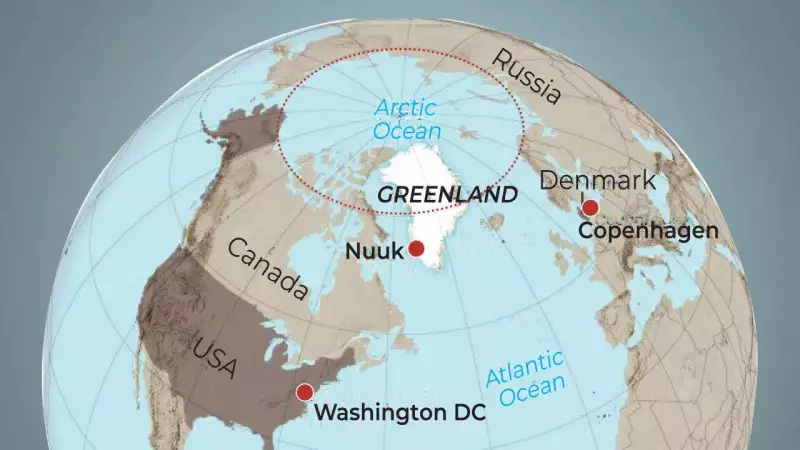
Greenland holds a crucial position in global geopolitics today. Its vast reserves of rare-earth minerals and key Arctic sea lanes make it a focal point for strategic planning. The United States views Greenland as central to its security and economic interests in the region.
Trump's Aggressive Push to Acquire Greenland
Former President Donald Trump repeatedly pushed to buy Greenland during his administration. His increasingly aggressive efforts revived a long-standing American fascination with the island. This move has caused significant unease in Denmark, a key NATO ally that governs Greenland.
Greenland's Strategic Location and Resources
Greenland's location in the Arctic offers control over emerging sea routes. Climate change is opening new passages for shipping and military operations. The island also contains rich deposits of rare-earth minerals, essential for modern technology like smartphones and electric vehicles.

These minerals are critical for US industries and defense systems. Access to them reduces dependence on other countries, particularly China. This factor heightens Greenland's importance in American strategic calculations.
Historical US Interest in Greenland
American interest in Greenland is not new. It dates back centuries, with the US establishing military bases there during World War II. The Thule Air Base remains a key installation for monitoring Arctic activities.
Recent administrations have continued to focus on Greenland's potential. Trump's public attempts to purchase the island brought this interest into the spotlight. They highlighted ongoing US concerns about securing resources and influence in the Arctic.
Denmark's Role and Response
Denmark administers Greenland as an autonomous territory. The Danish government firmly rejected Trump's proposals, calling them absurd. This stance reflects Denmark's commitment to Greenland's self-governance and its own strategic interests.
As a NATO member, Denmark balances its alliance with the US against protecting Greenland's sovereignty. The situation tests diplomatic relations and underscores the complexities of Arctic politics.
Implications for Global Politics
The focus on Greenland signals broader shifts in international relations. The Arctic is becoming a contested region due to climate change and resource competition. US actions here affect alliances and global power dynamics.
Greenland's future will likely involve continued attention from major powers. Its resources and location ensure it remains a point of strategic anxiety for the US and others.