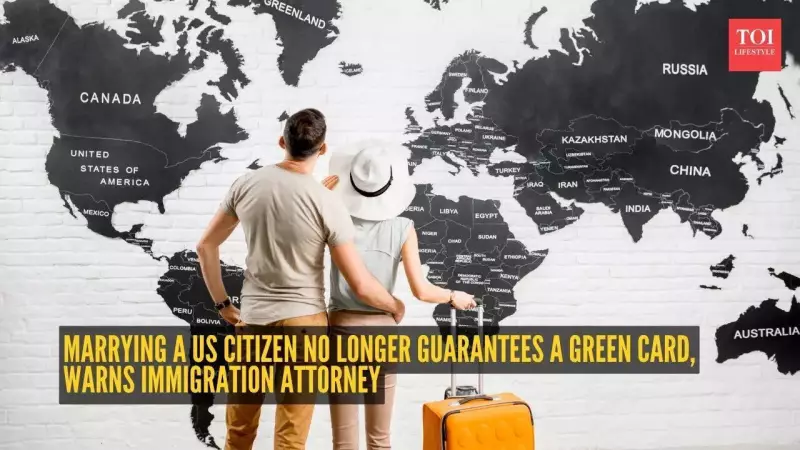
For many Indian nationals dreaming of a life in America, marrying a US citizen has long been a cherished path to a Green Card and permanent residency. However, that dream is facing a new, harsher reality. Under the tightened immigration policies of re-elected President Donald Trump, obtaining a Green Card through marriage is no longer a straightforward process. Immigration officers are now applying intense scrutiny, and a key requirement has emerged as non-negotiable: spouses must live under the same roof.
The New "Live Together or No Green Card" Rule
In a candid Facebook video that went viral, noted immigration attorney Brad Bernstein from the firm Spar & Bernstein delivered a stark warning. He emphasized that merely being in a relationship is insufficient. "Being in a relationship does not get you a Green Card. Living together gets you a Green Card," Bernstein stated. The United States Citizenship and Immigration Services (USCIS) is now laser-focused on determining if a marriage is bona fide—genuine and entered with the real intent to build a shared life—or merely a scheme to circumvent immigration laws.
This scrutiny makes living apart a major red flag, regardless of the reason. Whether due to work, education, financial constraints, or convenience, separation can doom an application. "If spouses do not share a home, their case is already going down," Bernstein warned. USCIS officers meticulously verify evidence of a shared life, including joint lease agreements, utility bills in both names, photographs, and other daily life proofs. Once suspicion arises, couples can expect home visits from investigators, often leading to denial.

Why the Sudden Crackdown on Immigration Routes?
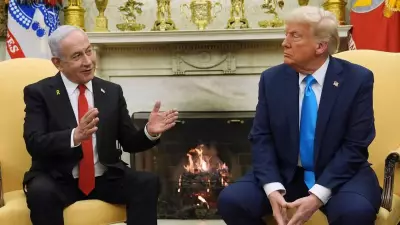
The heightened vigilance is part of President Trump's broader "America First" agenda, which has prioritized border security and fraud prevention since his 2024 re-election. A significant trigger for this crackdown was the recent suspension of the Diversity Visa (DV) program, also known as the Green Card Lottery. This program allocated roughly 55,000 visas annually to individuals from countries with low US immigration rates.
The program was paused by Homeland Security Secretary Kristi Noem following reports that a suspect linked to a mass shooting at Brown University and the killing of an MIT professor had entered the US via this route. "At President Trump's direction, I'm pausing the DV program to ensure no more Americans are harmed," Noem declared. Marriage-based Green Card applications are now under the same stringent microscope to prevent fraud and protect national interests.
What Indian Couples Must Do to Secure Their Future
For binational couples where one partner is an Indian national, adapting to these new rules is critical. Cohabitation is no longer optional but the cornerstone of a successful application. Couples must proactively build a paper trail that proves their life together is authentic and continuous.
Essential steps include:
- Maintaining a shared residential address without long gaps.
- Having joint financial documents like bank accounts, loans, or credit cards.
- Keeping both names on lease agreements, utility bills, and insurance policies.
- Documenting their relationship through photos, travel itineraries, and social media.
- Avoiding separate lives, even for temporary reasons like a job in another city.
Consulting an experienced immigration lawyer early in the process is highly recommended. A single misstep or lack of proper documentation can derail the entire application. Ultimately, this policy shift not only tests the legitimacy of a marriage in the eyes of US authorities but also tests the couple's actual commitment. Proving a real marriage now requires proving a shared daily life.