U.S. Senator's Fiery Address in Tel Aviv Calls for Regime Change in Iran
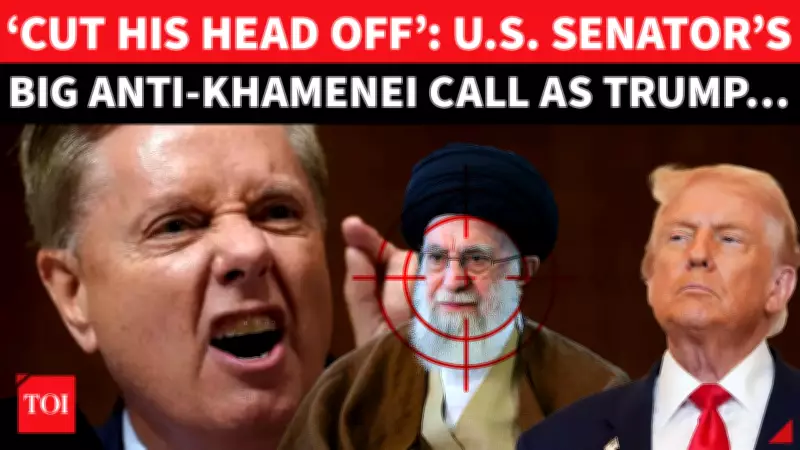
In a bold and provocative speech delivered from Tel Aviv, U.S. Senator Lindsey Graham asserted that Iran's current regime is at its weakest point since the 1979 Islamic Revolution. Graham pointed to Israel's robust military response following the October 7 attacks and the escalating wave of domestic protests within Iran as key indicators of this vulnerability. He emphasized that this moment presents a critical opportunity for the United States to actively push for a change in leadership in Tehran.
Endorsement of Trump's Dual-Track Strategy on Iran
Senator Graham publicly endorsed former President Donald Trump's combined strategy of pursuing diplomatic negotiations with Iran while simultaneously preparing military contingency plans. This dual-track approach, according to Graham, is essential for maintaining maximum pressure on the Iranian government. He argued that diplomacy must be backed by a credible threat of force to be effective in dealing with what he described as an adversarial regime.
Advocacy for Enhanced Defense Cooperation with the UAE
During his address, Graham also advocated for significantly strengthening defense ties with the United Arab Emirates (UAE). He highlighted the UAE's strategic importance in the region and its role as a key partner in countering Iranian influence. This call for deeper military cooperation is seen as part of a broader effort to build a more cohesive regional alliance against Tehran's activities.

Symbolic Gesture and Message to the Iranian People
In a highly symbolic moment, Senator Graham wore a hat emblazoned with the phrase "Make Iran Great Again" during his speech. This gesture was interpreted as a direct message of hope and solidarity with the Iranian people, suggesting that a future without the current leadership could restore Iran's potential. The act underscored an assertive and interventionist U.S. foreign policy stance in the Middle East, signaling Washington's readiness to support internal opposition movements within Iran.
The senator's remarks come at a time of heightened geopolitical tension, as the Trump administration navigates complex negotiations with Iran while keeping military options on the table. Graham's speech reinforces a hardline position that views regime change as a viable and necessary objective, reflecting ongoing debates within U.S. political circles about the best approach to managing relations with the Islamic Republic.