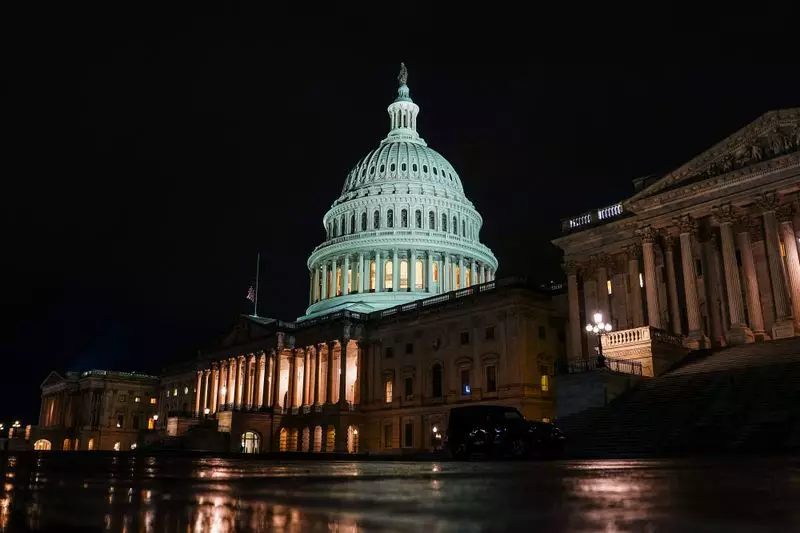
The ongoing partial government shutdown in the United States has triggered significant disruptions across the nation's air travel system, with flight delays and cancellations mounting as the political impasse continues.
Staffing Crisis at Air Traffic Control
The Federal Aviation Administration (FAA) is facing a critical staffing shortage as thousands of air traffic controllers are being forced to work without pay during the shutdown. Approximately 10,000 FAA-certified air traffic controllers are among the 800,000 federal employees affected by the funding lapse that began on December 22, 2018.
Despite their essential role in maintaining aviation safety, these professionals are working under tremendous financial pressure, creating what aviation experts describe as a potentially dangerous situation. The absence of regular paychecks has caused many controllers to seek temporary employment or face growing personal financial crises.

Major Airport Disruptions Reported
Several major airports across the United States have experienced significant operational challenges. LaGuardia Airport in New York faced particularly severe disruptions, with numerous flights being delayed or cancelled entirely due to insufficient air traffic control staffing.
Similar problems were reported at other key aviation hubs including Newark Liberty International Airport and Philadelphia International Airport. The cascading effect of these disruptions has impacted air travel nationwide, with delays spreading to other airports as the day progressed.
The aviation industry is expressing growing concern about the sustainability of current operations. Airlines are monitoring the situation closely, with some considering additional flight cancellations if the staffing situation deteriorates further.
Safety Concerns and Economic Impact
Aviation safety experts are warning that the current situation poses significant risks to the entire air travel system. The professional association representing air traffic controllers has voiced serious concerns about the potential for safety compromises as controllers work under unprecedented stress and financial uncertainty.
The economic impact extends beyond federal employees to thousands of airline workers, airport staff, and businesses that depend on air travel. The aviation industry contributes approximately $1.5 trillion to the US economy and supports over 10 million jobs, making these disruptions particularly concerning for economic stability.
Travelers are advised to check with their airlines before heading to airports and to prepare for potential delays. Many airlines are offering flexible rebooking options for passengers affected by the widespread disruptions.
As the government shutdown enters its second month with no immediate resolution in sight, aviation industry leaders are calling for urgent action to address the staffing crisis and prevent further deterioration of the air travel system.