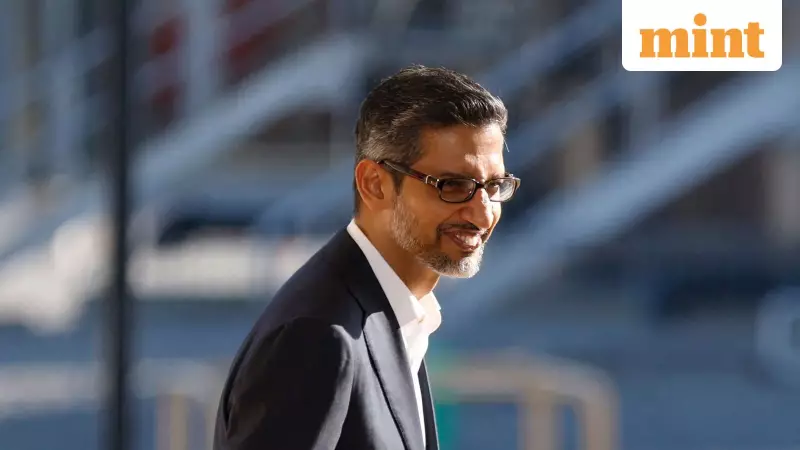
Google and Alphabet CEO Sundar Pichai has strongly defended the H1-B visa programme, emphasizing the crucial role immigrants play in the technology sector. The Indian-born executive, who himself came to the United States on an H1-B visa, expressed concerns about recent US policies making it harder for companies to hire skilled foreign workers.
Pichai's Stance on Immigration and Technology
In a recent interview with BBC, Pichai addressed the ongoing crackdown on H1-B visas by the US government. "If you look at the history of technology development, the contribution of immigrants to the sector has been nothing but phenomenal," Pichai stated emphatically.
The Google CEO acknowledged that the government understands the importance of skilled immigration but stressed the need for a proper framework. "I think there's a framework by which we all can still bring our talented individuals, and I think they're making changes to address some of the shortcomings in the current program," he added, expressing optimism about continued investment in foreign talent.

Changing US Immigration Landscape
The context of Pichai's comments comes amid significant shifts in US immigration policy following Donald Trump's return to power. The administration has revived "America First" immigration policies, creating uncertainty for highly skilled professionals from India, China, and the Philippines.
Several concerning developments have emerged:
- Some US lawmakers have proposed legislation to completely terminate the H1-B visa programme
- There are discussions about drastically reducing the number of accepted applicants
- Visa applications face stricter scrutiny with suspected higher denial rates
- The H1-B visa fee paid by employers has skyrocketed from $2,000-$5,000 to $100,000
Historical Context and Industry Impact
Pichai's current comments reflect a more measured tone compared to his response to the temporary H1-B suspension in 2020. At that time, he tweeted: "Immigration has contributed immensely to America's economic success, making it a global leader in tech, and also Google the company it is today. Disappointed by today's proclamation - we'll continue to stand with immigrants and work to expand opportunity for all."
The timing of Pichai's defense is particularly significant as the artificial intelligence race intensifies. The demand for highly skilled AI engineers and researchers has reached unprecedented levels, with companies like Meta reportedly offering million-dollar packages to poach top talent.
The H-1B visa serves as a temporary non-immigrant US visa that enables American companies to recruit exceptional foreign talent. With Google's recent announcement of a $40 billion investment in new Texas data centers through 2027, access to skilled workers becomes increasingly critical for maintaining technological leadership.
Pichai's personal journey from IIT-Madras alumnus to leading one of the world's most valuable companies underscores the potential of the H1-B programme. His advocacy highlights the ongoing tension between nationalist immigration policies and the global nature of technological innovation.