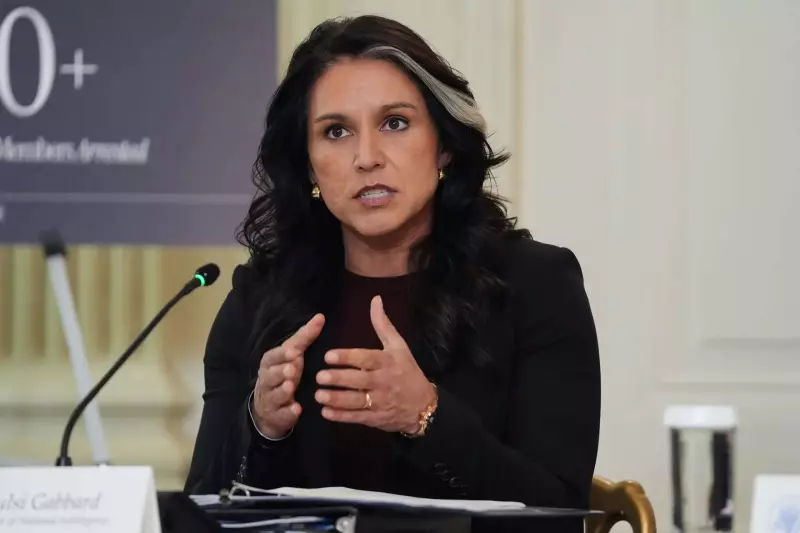
In a significant national security briefing, United States Director of National Intelligence Tulsi Gabbard has identified Islamist terrorism as the most serious threat facing America today. During an exclusive interview with ABC News published on November 15, 2025, the intelligence chief provided crucial insights into how terrorist dangers have transformed in recent years.
From Organized Networks to Individual Radicalization
Gabbard emphasized that the nature of Islamist terrorism has undergone a dramatic evolution. The threat has shifted from large, organized groups operating abroad to include lone-wolf attackers radicalized through online platforms. This transformation presents unique challenges for intelligence agencies nationwide.
The US intelligence community now confronts a more diffuse and complex threat landscape, according to Gabbard. Instead of structured terrorist organizations directing operations from overseas, the growing danger comes from individuals inspired remotely through digital propaganda. Online content from groups like al-Qaeda is spreading more rapidly and reaching far beyond traditional conflict zones, creating new security vulnerabilities.

Gabbard confirmed that the Office of the Director of National Intelligence, working with federal and local partners, has successfully disrupted several lone-wolf plots. However, she acknowledged that identifying such individual actors is becoming increasingly difficult for security agencies.
Personal Experience Shaping Security Approach
The Director's perspective on national security is deeply rooted in her personal experiences. As a lieutenant colonel in the Army Reserve, Gabbard is the first person to serve as DNI while still in military uniform. The devastating 9/11 attacks directly motivated her decision to enlist in military service, creating a lifelong commitment to counterterrorism efforts.
Her deployments, including surviving frequent mortar attacks at Camp Anaconda in Iraq, have fundamentally shaped her understanding of terrorism and sense of duty. Gabbard has described Islamist terrorism as the primary long-term challenge to American freedom and Western civilization, a viewpoint strengthened by her direct combat experience.
In 2021, Gabbard deployed to the Horn of Africa, where she worked extensively with Somali forces and regional partners to counter al-Shabaab. This al-Qaeda affiliate represents a key financial supporter of the broader terrorist network, and her hands-on experience there reinforced her belief that extremist threats persist even as their operational methods evolve.
Political Independence and Security Philosophy
Throughout her political career, Gabbard has maintained an independent stance on counterterrorism policy, often breaking with her Democratic party colleagues. She publicly criticized the Obama administration for avoiding the term "Islamist extremism", drawing both praise from Republican lawmakers and pushback from Democratic leaders.
Her positions have occasionally led to accusations of Islamophobia, which she firmly rejects. Gabbard argues that political caution around language has hindered honest assessments of extremist threats, maintaining that refusing to acknowledge the ideological component of extremist violence "comes at the cost of our own security".
The intelligence director has also proposed significant reforms to reorganize her agency, including cutting staffing by half. While this move has drawn criticism from some lawmakers who fear it could weaken intelligence capabilities, her allies insist the plan reflects her belief that the agency must be streamlined to respond effectively to modern threats.
Balancing Multiple Security Priorities
While emphasizing the continued danger of Islamist terrorism, Gabbard noted that the intelligence community has shifted additional attention to Western Hemisphere issues, including drug cartels and human trafficking networks. However, she maintained that Islamist terrorism remains the most sustained and dangerous threat requiring constant vigilance.

Gabbard's warnings align with broader intelligence community concerns about decentralized, individually inspired extremism. She has called for renewed focus and resources to address this evolving threat while carefully balancing civil liberties and constitutional protections.
The Director concluded that while the nature of terrorism continues to shift, her mission remains rooted in the commitment she made after 9/11: to serve, protect and confront threats to the country. "The threat has changed form," she stated, "but the mission to defend the nation stays the same."