Supreme Court Upholds Birthright Citizenship, Strikes Down Trump Executive Order
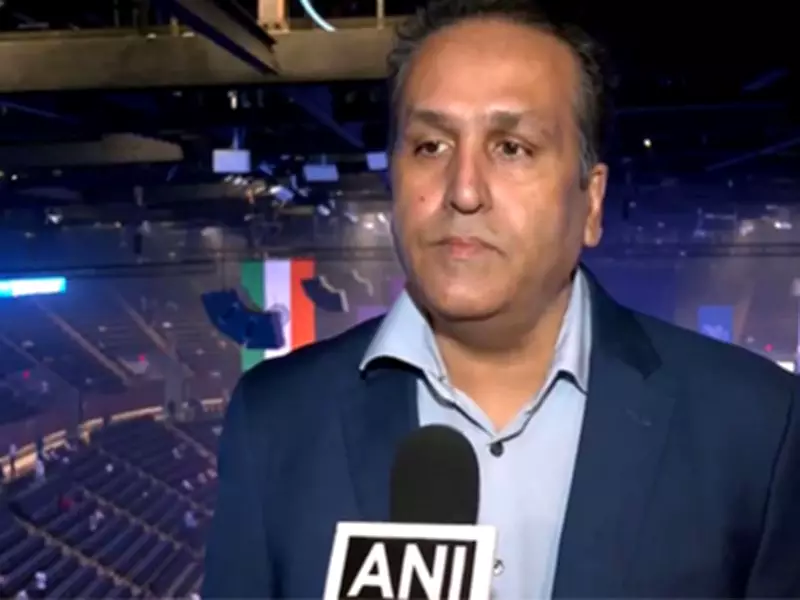
Former White House advisor Ajay Bhutoria on Tuesday praised the US Supreme Court's decision to uphold birthright citizenship, describing it as a historic victory for the American Dream and a promise to immigrant communities. The ruling struck down President Donald Trump's executive order that sought to end automatic citizenship for children born in the United States to parents who are unlawfully or temporarily present.
Bhutoria, who served under former President Joe Biden and is an immigration advocate, emphasized the significance of the decision for the South Asian diaspora and millions of immigrant families who have contributed to nation-building. He stated, "The Supreme Court's decision to uphold birthright citizenship is a historic victory for justice, the U.S. Constitution, and the American Dream. By protecting the 14th Amendment, the Court has rejected a harmful attempt to create a tiered system of citizenship and strip rights from children born on U.S. soil."
Court Relies on 14th Amendment and Precedent
The Supreme Court's ruling, released on Tuesday, confirmed that children born in the United States to parents who are unlawfully or temporarily present are entitled to automatic US citizenship under the Citizenship Clause of the Fourteenth Amendment. The Court relied on its earlier decision in United States v. Wong Kim Ark, which established that children born in the US to foreign parents are entitled to birthright citizenship.

Chief Justice John Roberts wrote for the majority, stating, "Citizenship, then and now, was the right to have rights – to freely participate in our political community. The Framers of the Fourteenth Amendment extended that promise to 'every free-born person in this land.' We keep that promise today." The court dismissed arguments from Trump's attorneys that the 14th Amendment required people to be domiciled in the United States before being entitled to birthright citizenship.
Impact on Immigrant Communities and the American Dream
Bhutoria highlighted the ruling's importance as the nation approaches the 250th anniversary of its founding. He said, "For decades, the South Asian diaspora and millions of immigrant families have contributed to the fabric, economy, and culture of this nation... This ruling ensures that America remains a land of equal opportunity where a child's future is not determined by their parents' immigration status."
Civil rights groups also celebrated the decision. Deborah Fleischaker, a former Homeland Security official now with the Latino group UnidosUS, called it "a huge relief." The New York Times reported that the ruling was a major blow to Trump, who had made ending "birth tourism" a key issue in his second-term campaign, taking a hard line on both legal and illegal immigration.
Context and Broader Implications
The Supreme Court's decision reaffirms the foundational promise that has made the United States a beacon of freedom and opportunity for two and a half centuries, according to Bhutoria. The ruling ensures that children born on US soil cannot be stripped of citizenship based on their parents' immigration status, rejecting the creation of a tiered citizenship system.
CNN reported that the court document explicitly stated that children born in the United States to parents who are unlawfully or temporarily present are entitled to automatic US citizenship. The decision underscores the enduring strength of the 14th Amendment and its guarantee of equal rights for all born in the country.