Immigration Expert Shifts Blame from Workers to Congress Over H-1B Visa System
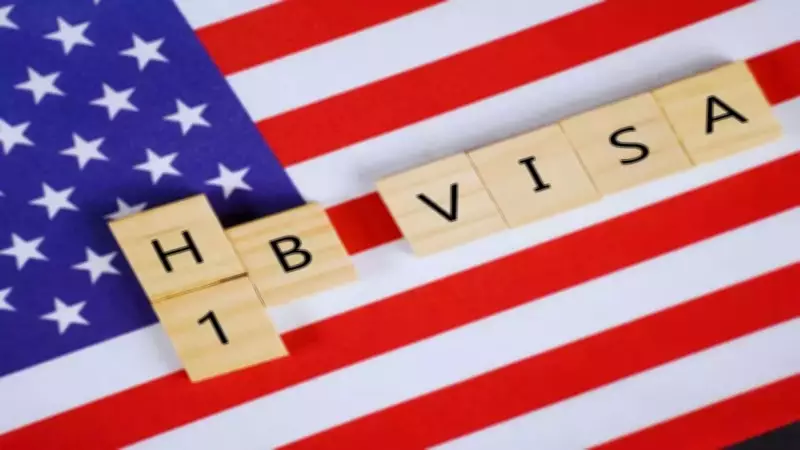
As social media influencers in Texas increasingly target Indian nationals for allegedly abusing work visas, immigration policy specialist Rosemary Jenks has stepped forward to redirect criticism toward the United States Congress. In a recent appearance, Jenks emphasized that the real fault lies with legislative decisions that transformed the H-1B visa from a temporary program into a de facto pathway to permanent residency.
Congressional Decisions Created Permanent Residency Pathway
During her discussion on Steve Bannon's program, Jenks detailed how Congress fundamentally altered the H-1B visa's original purpose. The visa was initially designed as a three-year temporary authorization for specialty occupation workers, but legislative changes allowed holders to remain indefinitely and eventually sponsor family members through employer sponsorship.
"These individuals have been residing in the United States on H-1B visas for decades, which contradicts the very concept of a temporary visa," Jenks asserted. "A temporary visa should remain temporary. If holders were required to depart after three years and couldn't bring their families, employers would find them considerably less attractive. Companies would need to train new H-1B workers every three years, making American workers more competitive financially."

Visa Program Evolution and Systemic Issues
Jenks further explained the typical pathway many foreign workers follow:
- Enter the United States on F-1 student visas
- Transition through Optional Practical Training (OPT) programs
- Utilize STEM OPT extensions
- Finally enter the H-1B visa system
This progression, according to Jenks, has contributed to what she describes as fraud within the program and an overwhelming number of H-1B visa holders. "While abolishing the H-1B program entirely would be ideal, political realities prevent this," she noted. "At minimum, we should restore it to its original temporary status."
Rise of Anti-H-1B Activism in Texas
Meanwhile, Texas has witnessed a surge in anti-H-1B influencer activity over recent months. These content creators have produced numerous videos alleging an "Indian takeover" of Texas communities, particularly targeting the Frisco area.
Journalist Sara Gonzales claims to have exposed "ghost offices"—businesses listed as H-1B employers that appeared vacant upon investigation. In another instance, Gonzales visited a food truck where an H-1B visa holder was working, though the individual maintained he was merely assisting his wife's business after regular office hours.
YouTuber Tyler Oliveira amplified these concerns with a comprehensive video titled "Texas' Indian Invasion," featuring interviews with Indian residents in Texas and allegations of visa fraud. Oliveira's production included conversations with diplomat Mahvas Siddiqui, who previously reported witnessing H-1B fraud in India, and attorney Chand Parvathaneni.
The growing tension between anti-visa activists and immigration experts like Jenks highlights the complex debate surrounding U.S. immigration policy, temporary worker programs, and their impact on both American workers and foreign nationals seeking opportunities in the United States.