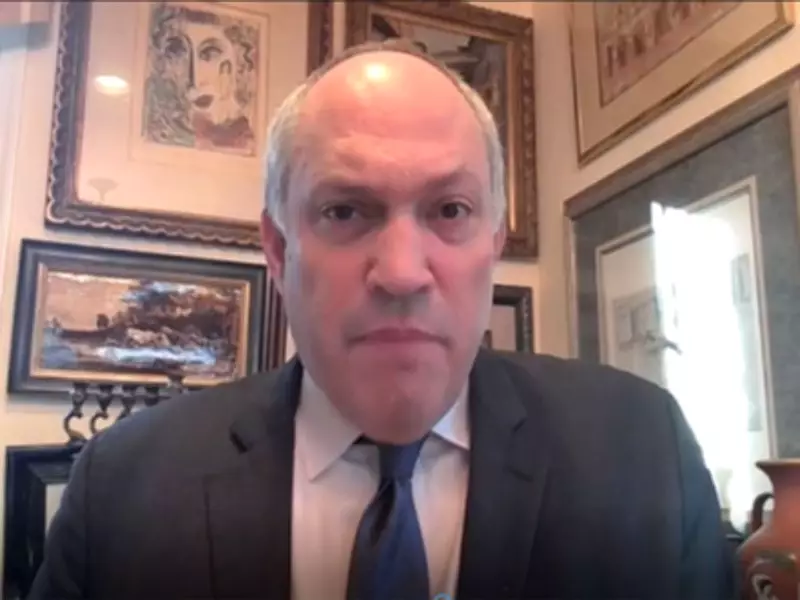
Former Pentagon Official Affirms US View of Iran as Adversary
In a recent statement, Michael Rubin, a former Pentagon official, has clarified that the United States firmly believes Iran is an adversary, with no internal debate on this matter. This assertion comes at a time of heightened tensions and complex diplomatic engagements between the two nations.
Rubin's Insights on US-Iran Relations
Rubin, who served in the Pentagon and is now a senior fellow at the American Enterprise Institute, emphasized that within US policy circles, there is a consensus that Iran poses a significant threat. He noted that this perspective is not up for argument, as it is rooted in Iran's actions, including its nuclear program and regional activities.
Key points from Rubin's analysis include:

- The US views Iran's behavior as consistently adversarial, with no signs of change.
- This stance is based on Iran's support for proxy groups and its pursuit of nuclear capabilities.
- Rubin highlighted that US policy is aligned in recognizing Iran as a primary challenge in the Middle East.
Context of Ongoing Tensions
The remarks by Rubin are particularly relevant given the ongoing efforts to revive the Iran nuclear deal and address regional conflicts. US-Iran relations have been strained for decades, with recent incidents such as attacks on shipping lanes and diplomatic standoffs exacerbating the situation.
Rubin's comments underscore a broader US strategy that prioritizes countering Iranian influence, even as some international actors advocate for dialogue. He argued that this adversarial view is essential for shaping effective foreign policy and security measures.
Implications for Global Diplomacy
Rubin's statement has implications for global diplomacy, suggesting that the US is unlikely to shift its stance on Iran without significant changes from Tehran. This could impact negotiations and alliances in the Middle East, as other countries align with or challenge US positions.
In summary, Michael Rubin's insights reinforce that the US perceives Iran as a clear adversary, with this belief being a cornerstone of American foreign policy. As tensions persist, this perspective will likely continue to influence international relations and security dynamics in the region.