Historic House Vote on Epstein Documents Reveals Lone Dissenter
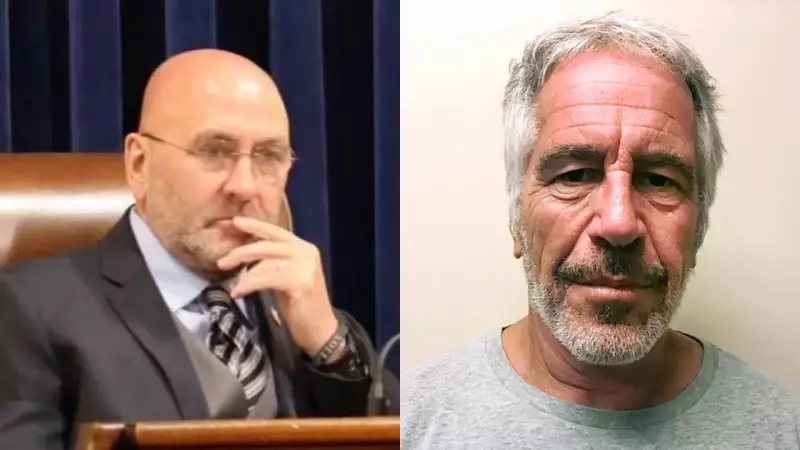
In a remarkable display of near-unanimous agreement, the US House of Representatives passed legislation to release the Jeffrey Epstein files with an overwhelming 427-1 vote. The solitary voice of opposition came from Republican Congressman Clay Higgins of Louisiana, who stood against his entire party and all Democratic colleagues.
The vote aimed to unravel one of America's most notorious sex scandals, with the outcome already assured before the final count. Yet Higgins' unexpected disapproval created a dramatic moment in what otherwise appeared to be a straightforward bipartisan decision.
Why One Congressman Stood Alone
Congressman Higgins, a former police officer and Army veteran, explained his controversial position by emphasizing serious privacy concerns. He argued that the legislation as written posed significant risks to individuals mentioned in the files who were never accused of any wrongdoing.

"It abandons 250 years of criminal justice procedure in America," Higgins declared in a post on X following his lone vote. "As written, this bill reveals and injures thousands of innocent people – witnesses, people who provided alibis, family members, etc."
The conservative lawmaker warned that releasing emails, notes, and investigative material without proper filters could expose numerous peripheral individuals to potential harassment once the documents become available to national press outlets.
Background and Broader Implications
Higgins represents Louisiana's 3rd District and is known for his hard-right politics as a member of the House Freedom Caucus. His background in law enforcement significantly shaped his argument against the bill. He chairs a subcommittee under the House Oversight Committee that has been examining aspects of the Epstein estate and federal agencies' conduct in the case.
The congressman told CNN that his opposition wasn't about protecting the White House or president, but rather about upholding long-standing criminal justice procedures. "It's people that stand for long-standing criminal justice procedures that this bill does not observe," he emphasized.
Higgins stated he would have supported the measure if the Senate had added clearer protections for individuals who appear in the files solely because they interacted with investigators. However, those changes never materialized, and the Senate approved the bill unchanged, leaving Higgins as the only holdout.
The episode highlights ongoing tensions between transparency and privacy rights in high-profile investigations, demonstrating how even widely supported measures can raise important constitutional questions when examined closely.