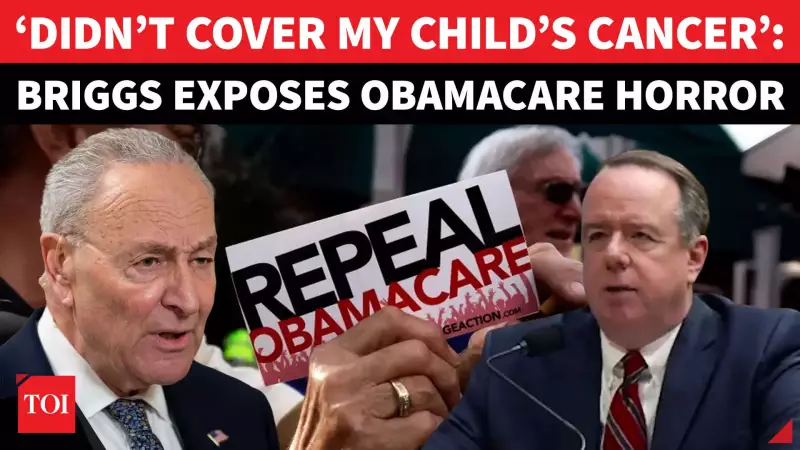
A recent hearing in the United States Senate turned into a heated battleground over the future of American healthcare, exposing the deep political divide surrounding the Affordable Care Act, commonly known as Obamacare. The session, held by the Senate Homeland Security & Governmental Affairs Committee on December 24, 2025, became particularly tense when a witness posed a direct and challenging question to the lawmakers present.
The Fiery Exchange That Stole The Show
The spotlight of the hearing was captured by witness Chris Briggs, who delivered a pointed critique of the healthcare system. In a moment that has since gone viral, Briggs directly challenged the senators, questioning their personal commitment to the very program they were debating. “If Obamacare is so great,” he asked, “why aren’t you on it?” This provocative inquiry cut to the heart of the debate about government accountability and the practical realities of the healthcare law.
Deep Partisan Rifts Over Costs and Coverage
The committee hearing was convened to examine the future of Obamacare subsidies and the overall performance of the Affordable Care Act. Lawmakers from both major parties clashed fiercely over the program's costs, the extent of coverage it provides, and whether it has lived up to its original promises. Democrats largely defended the Act as a crucial safety net, while Republicans criticized it as a burden on taxpayers and a system in need of major reform or replacement.

The discussion reignited the long-standing national debate over healthcare reform, the role of federal subsidies, and the transparency of elected officials. Briggs’ question amplified a common criticism from opponents of the law: that the political class which created and oversees Obamacare often opts for different, typically more comprehensive, health insurance plans for themselves.
Reactions and The Path Forward
The exchange sparked immediate and sharp reactions from senators across party lines. The moment has fueled further discussion on social media and in news cycles, putting the issue of government accountability back in the public eye. It underscores the persistent controversy surrounding one of the most significant pieces of social legislation in recent US history.
As the debate continues, the core questions raised in the hearing remain unanswered. Can the Affordable Care Act be improved to lower costs and expand coverage effectively? Will lawmakers find common ground on the future of healthcare subsidies? The confrontation on December 24 makes it clear that finding a bipartisan solution to America's healthcare challenges remains a deeply contentious and difficult task.