In a dramatic escalation of the debate surrounding the Gaza conflict and US foreign policy, prominent conservative commentator Candace Owens ignited a firestorm with her stark commentary on the war and later, by revealing private messages from the late Charlie Kirk. The events, unfolding between late 2025 and early 2026, exposed deep fractures within American politics concerning Israel and highlighted intense pressure from financial donors on political speech.
Owens' "Rules of the Jungle" Post and the Fallout
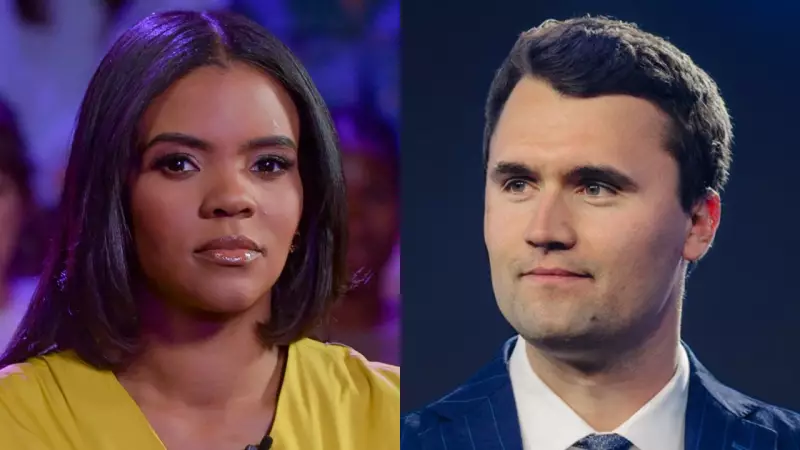
Candace Owens took to social media platform X to share a powerful and controversial perspective on the Gaza war. She recounted a conversation with her friend, Charlie Kirk, stating she advised him to look beyond politics and recognize fundamental truths. "I told him to forget the politics, there are basic rules of the jungle; people that will mass murder innocent children and lie about it will murder us too," Owens wrote. She further emphasized, "There’s no allying halfway with sheer evil."
Owens warned that American support for the actions of other nations could eventually backfire and harm the United States itself. These blunt remarks quickly captured significant attention, drawing strong reactions from across the political spectrum. While some supporters defended her right to express a critical viewpoint, numerous critics and political leaders labeled her comments as controversial and veering into antisemitic territory.

The Charlie Kirk Messages: Donor Pressure Over Israel Stance
The controversy deepened when, in the period following Charlie Kirk's assassination in Utah in September 2025, Candace Owens shared excerpts from private group messages belonging to the Turning Point USA founder. These communications provided a startling glimpse into the pressures faced by political figures. The messages revealed that Kirk felt significant pressure from major donors due to his refusal to soften his criticism of certain political stances on Israel.
Turning Point USA officially confirmed the authenticity of these leaked messages. The organization stated that Kirk's disagreements over Israel's military actions in Gaza and the extent of U.S. support for them had created tension with financial backers. Kirk himself had indicated, just prior to his death, that he had lost substantial funding because of his views on the Israeli-U.S. relationship.
Owens utilized these revelations on her podcast to argue that powerful political and financial entities were manipulating discourse on war and foreign policy. She contended that this pressure exemplified the challenges of speaking honestly in the modern political landscape.
Global Repercussions and a "New Enemy" Label
The ripple effects of Owens' statements and the Kirk message leak extended far beyond U.S. borders, influencing international diplomatic discourse. The incident underscored the volatile nature of the debate over Israel within American politics and its global implications.
In a significant development, a lawmaker in the Israeli parliament (Knesset) pointed to the rise of vocal critics like Candace Owens and Tucker Carlson in the U.S., describing them as a "new enemy." This characterization fueled deeper debate and concern about the durability and future of the long-standing alliance between America and Israel. The episode demonstrated how domestic political commentary in the United States could swiftly escalate into a matter of international geopolitical concern.
Critics of Owens maintained that her approach risked spreading conspiracy theories and inflaming hatred, potentially damaging community relations and sowing division. Media and political leaders cautioned against narratives that could harm social cohesion. The intertwined stories of Owens' public commentary and Kirk's private pressures paint a complex picture of money, ideology, and free speech in contemporary American political commentary.