From Rapper to National Contender: Balen Shah's Rise Redefines Nepal's Political Landscape
The political scene in Nepal is witnessing a dramatic transformation, driven by the meteoric rise of Balen Shah. Once known primarily as a rapper and structural engineer, Shah has now positioned himself as a formidable national contender, challenging the long-standing dominance of traditional political parties. His journey from the music studio to the corridors of power is reshaping the country's democratic discourse.
A Background in Music and Engineering
Balen Shah first gained public attention through his career as a rapper, where he used his music to comment on social and political issues in Nepal. His lyrics often addressed corruption, inequality, and governance failures, resonating with a younger generation disillusioned with the status quo. Concurrently, Shah worked as a structural engineer, bringing a technical and problem-solving mindset to his later political endeavors. This unique blend of artistic expression and professional expertise has become a cornerstone of his public persona.
Political Ascent and Grassroots Appeal
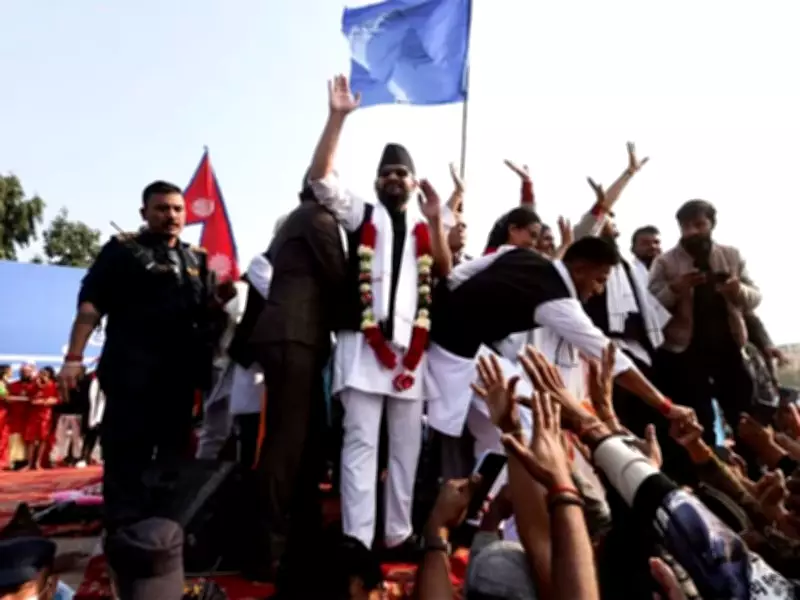
Shah's political ascent began with his successful campaign for Mayor of Kathmandu, where he ran as an independent candidate. His victory was a significant upset, defeating candidates from established parties like the Nepali Congress and the Communist Party of Nepal. Key to his success was a strong anti-establishment platform that emphasized transparency, accountability, and direct public engagement. Shah leveraged social media and grassroots mobilization to connect with voters, particularly youth and urban residents, who were eager for change.

Since taking office, he has focused on issues such as waste management, infrastructure development, and bureaucratic reform, often using his engineering background to propose practical solutions. His hands-on approach and frequent public interactions have bolstered his popularity, positioning him as a symbol of a new political era in Nepal.
Redefining Nepal's Political Dynamics
Balen Shah's rise is redefining Nepal's political dynamics in several critical ways. Firstly, it challenges the traditional party system, which has been dominated by a few families and ideologies for decades. Shah's independent stance and lack of formal party affiliation represent a shift toward personality-driven politics, where individual credibility and performance outweigh partisan loyalty.
Secondly, his success highlights the growing influence of youth and urban voters in Nepali politics. With a population where a significant portion is under 30, Shah's appeal to this demographic through modern communication tools and relatable issues has set a new precedent for political campaigning.
Moreover, Shah's background as a rapper has broken stereotypes about political leadership in Nepal, demonstrating that diverse professional experiences can enrich governance. His ability to blend cultural influence with administrative action has inspired other non-traditional candidates to enter the political fray.
Future Prospects and National Impact
As Balen Shah eyes larger national roles, his rise signals potential shifts in Nepal's political future. Analysts suggest that his model could encourage more independent and anti-corruption candidates, potentially leading to a more fragmented but dynamic political landscape. However, challenges remain, including navigating the complexities of national governance and sustaining momentum beyond local issues.
Shah's journey from rapper to national contender underscores a broader global trend of outsider politicians gaining traction in established democracies. In Nepal, it reflects a public demand for accountability and innovation in leadership, moving away from the old guard toward fresh perspectives.
In summary, Balen Shah's rise is not just a personal success story but a transformative force in Nepali politics. By bridging music, engineering, and public service, he has redefined what it means to be a political leader in the country, setting the stage for continued evolution in its democratic processes.