UN Official: Blasphemy Laws Shield Political Power, Not Religion
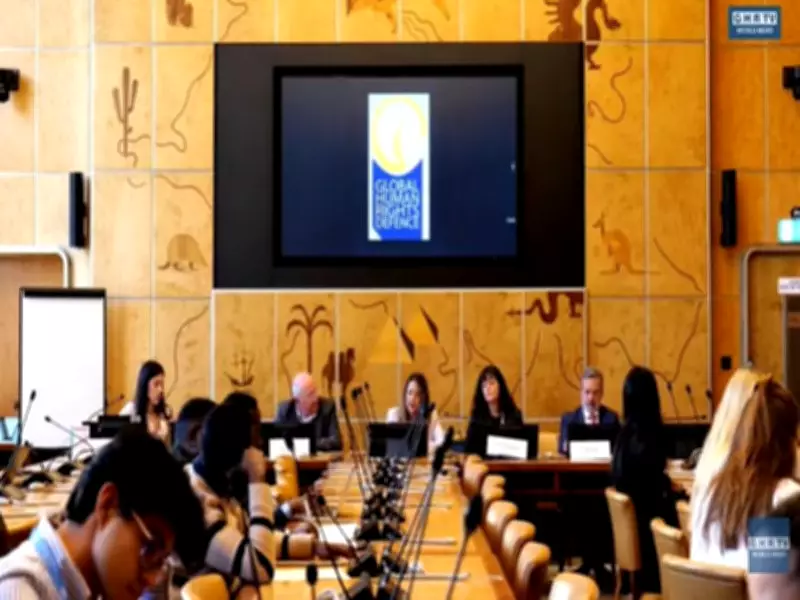
In a significant address at the United Nations, Baháʼí representative Simin Fahandej has asserted that blasphemy laws in many countries are primarily designed to protect political power rather than religious sanctity. This statement, delivered during a recent UN Human Rights Council session, sheds light on how such laws can be exploited to suppress dissent and maintain authoritarian control, often under the guise of defending faith.
Political Manipulation of Religious Sentiments
Fahandej emphasized that blasphemy laws frequently serve as tools for political elites to consolidate power by manipulating religious sentiments. He noted that these laws are often vague and broadly interpreted, allowing governments to target minority groups, activists, and critics under the pretext of upholding religious values. This practice not only violates fundamental human rights but also fosters an environment of fear and intolerance, undermining social cohesion and democratic principles.
Key examples cited include cases in various nations where blasphemy accusations have led to severe punishments, including imprisonment and even death sentences, disproportionately affecting marginalized communities. Fahandej argued that this misuse diverts attention from genuine religious protection, instead enabling political repression and silencing opposition voices.

Global Implications and Human Rights Concerns
The Baháʼí representative's remarks highlight broader global concerns regarding the intersection of religion and politics. He called for international scrutiny and reform of blasphemy laws to ensure they align with universal human rights standards, such as freedom of expression and belief. Fahandej urged UN member states to prioritize the protection of individuals over political interests, advocating for legal frameworks that promote tolerance and dialogue rather than persecution.
This discussion comes amid rising incidents of blasphemy-related violence and discrimination worldwide, prompting calls for more robust diplomatic and legal interventions. Fahandej's intervention underscores the need for a nuanced approach that respects religious diversity while safeguarding civil liberties, challenging the notion that blasphemy laws inherently serve a protective religious function.
Recommendations for Policy Reform
To address these issues, Fahandej proposed several measures:
- Review and amend blasphemy laws to prevent their abuse for political purposes.
- Enhance international monitoring and reporting on blasphemy cases to hold violators accountable.
- Promote interfaith dialogue and education to foster mutual understanding and reduce tensions.
- Support civil society organizations working to defend the rights of those targeted by blasphemy accusations.
By implementing these steps, Fahandej believes that countries can better balance religious sensitivities with human rights obligations, moving away from punitive measures that often exacerbate conflicts. His advocacy reflects the Baháʼí community's commitment to peace and justice, urging a reevaluation of how blasphemy laws are perceived and applied in contemporary societies.