UN General Assembly Officially Declares Transatlantic Slave Trade 'Gravest Crime Against Humanity'
The United Nations General Assembly has taken a historic step by voting to formally recognize the enslavement of Africans during the transatlantic slave trade as "the gravest crime against humanity." This landmark resolution, adopted on the International Day of Remembrance of the Victims of Slavery and the Transatlantic Slave Trade, aims to confront historical injustices and advance reparatory justice for affected communities worldwide.
Resolution Details and Voting Outcome
The resolution, proposed by Ghana, received overwhelming support with 123 votes in favor. However, it faced significant opposition from Western nations, with the United States, Israel, and Argentina voting against it. Additionally, 52 countries abstained, including the United Kingdom and all European Union member states.
The text explicitly declares "the trafficking of enslaved Africans and racialised chattel enslavement of Africans as the gravest crime against humanity" and directly links this historical atrocity to contemporary issues of racial discrimination and neo-colonialism. Beyond mere recognition, the resolution calls for concrete actions toward reparatory justice, including:

- Formal apologies from responsible nations
- Comprehensive restitution and compensation measures
- Rehabilitation programs for affected communities
- Legal and policy changes to address systemic racism
- Prompt restitution of cultural artifacts to their countries of origin
While General Assembly resolutions are not legally binding, they carry substantial political weight and often shape global norms and international discourse on critical issues.
Western Opposition and Legal Concerns
The voting pattern revealed a clear divide between supporting nations and Western powers who either rejected or abstained from the resolution. Their opposition centered not on denying the horrors of slavery, but on concerns about legal definitions, historical framing, and practical implementation.
United States Position: Deputy US Ambassador Dan Negrea articulated Washington's objections, stating that the United States "does not recognize a legal right to reparations for historical wrongs that were not illegal under international law at the time they occurred." He further criticized what he described as an attempt to create a hierarchy of crimes against humanity, arguing that this approach "objectively diminishes the suffering of countless victims and survivors of other atrocities throughout history."
United Kingdom and European Union Stance: Speaking on behalf of the UK, Acting Ambassador James Kariuki acknowledged "the abhorrent nature of slavery and the transatlantic slave trade" and recognized its lasting legacy. However, he expressed fundamental disagreements with the resolution's text, particularly its ranking of atrocities and suggestions of retroactive application of international law. The EU echoed similar concerns, with representative Gabriella Michaelidou noting that terms like "gravest" were "not legally accurate" and risked creating an inappropriate hierarchy among historical crimes.
Ghana's Perspective and Call for Justice
For Ghana and its supporters, this resolution represents a crucial step toward historical acknowledgment and addressing the long-term consequences of slavery. Ghanaian President John Dramani Mahama emphasized the importance of this moment, telling the assembly: "Today, we come together in solemn solidarity to affirm truth and pursue a route to healing and reparative justice."
Foreign Minister Samuel Okudzeto Ablakwa clarified the intent behind the call for reparations, explaining to media: "We are demanding compensation, and let us be clear, African leaders are not asking for money for themselves. We want justice for the victims and causes to be supported, educational and endowment funds, skills training funds." He emphasized that the legacy of slavery continues to manifest through ongoing racism, exclusion, and economic disparities affecting people of African descent worldwide.

Historical Context and Contemporary Significance
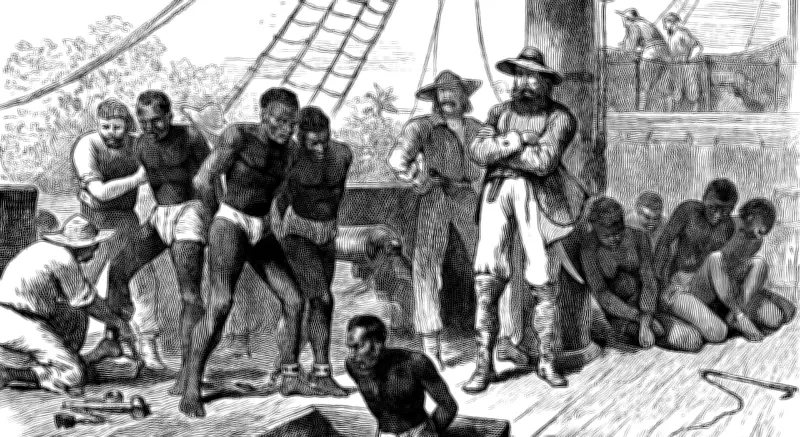
The resolution commemorates the estimated 12 to 15 million Africans who were forcibly transported during the transatlantic slave trade over four centuries, with more than two million believed to have perished during the horrific journey. This represents one of the strongest formal recognitions of the transatlantic slave trade within the UN system, explicitly connecting historical injustice to present-day inequalities and calling for a structured global response.
The voting outcome highlights both consensus and division within the international community. While there is broad agreement about the brutality and historical significance of slavery, significant disagreement persists regarding how this history should be legally defined and whether it should entail financial and political obligations in the contemporary era. This resolution marks a significant milestone in ongoing global conversations about historical justice, reparations, and the enduring impacts of colonialism and racial discrimination.