

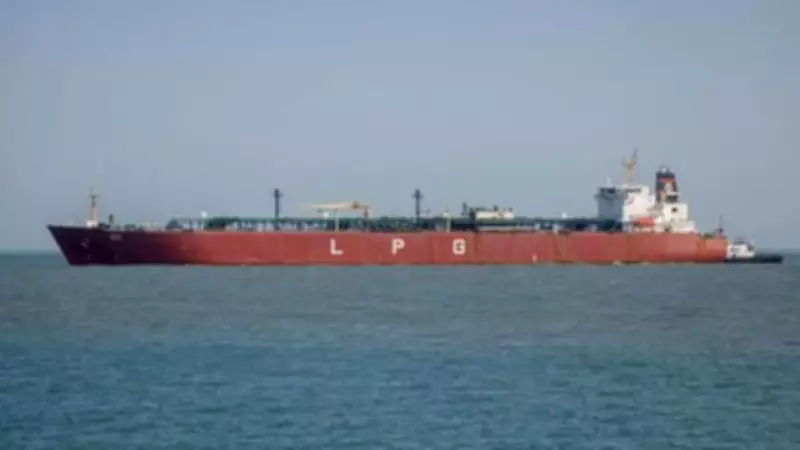
Trump Claims Iran Permitted Passage of 10 Oil Tankers in Strait of Hormuz
In a recent development, former US President Donald Trump has publicly suggested that Iran allowed approximately 10 oil tankers to transit through the strategically vital Strait of Hormuz. This waterway is renowned as one of the world's most crucial maritime chokepoints for global oil shipments, handling a significant portion of seaborne traded petroleum.
Context of Heightened Regional Tensions
The statement emerges against a backdrop of persistent geopolitical friction in the Middle East. The Strait of Hormuz serves as a narrow passage connecting the Persian Gulf with the Gulf of Oman and the Arabian Sea, making it essential for the export of oil from major producers like Saudi Arabia, Iraq, the UAE, Kuwait, and Iran itself.
Trump's remarks highlight ongoing concerns about maritime security and freedom of navigation in this volatile region. Historically, Iran has at times threatened to disrupt traffic through the strait amid conflicts with Western nations, particularly over its nuclear program and economic sanctions.

Implications for Global Oil Markets and Diplomacy
Any suggestion of Iranian involvement in facilitating or controlling tanker movements carries substantial weight for international energy markets and diplomatic relations. Oil prices and supply chains are highly sensitive to disruptions in this area, given that millions of barrels pass through daily.
This assertion by Trump could be interpreted in several ways:
- As an indication of temporary de-escalation or tactical maneuvering by Iran.
- As part of broader diplomatic messaging amid complex US-Iran negotiations.
- As a reflection of intelligence assessments regarding Iranian actions in the strait.
The situation underscores the delicate balance of power and the continuous need for vigilant monitoring of maritime activities in the Persian Gulf. Analysts and policymakers will likely scrutinize this claim for its accuracy and potential impact on future US foreign policy decisions toward Iran and regional stability.






